Hey there, fitness fanatics and wellness warriors! It’s me, your go-to guide for all things movement and mindfulness. We’re all striving for that sweet spot where our bodies feel strong, flexible, and utterly resilient, aren’t we?
Especially with the increasing emphasis on proactive health and personalized fitness in our fast-paced world, it’s easy to feel overwhelmed by the sheer volume of options out there.
Two terms I hear buzzing around a lot, often causing a bit of confusion, are “rehabilitation exercise” and “Pilates.” I’ve personally navigated my own journey through recovery and enhancing performance, and believe me, the lines can get blurry.
Many people, myself included at first, tend to lump them together, thinking they’re essentially the same path to a stronger core and better posture. But what if I told you there’s a nuanced difference that could totally transform your approach to healing and maintaining your body?
Understanding this isn’t just academic; it’s about making smarter choices for your physical well-being, whether you’re recovering from an injury or just aiming to level up your everyday movement.
Let’s precisely uncover the distinctions and benefits of each, ensuring you embark on the right journey for your unique body.
Navigating Your Body’s Unique Blueprint

When Healing Takes Center Stage
You know that feeling when your body just isn’t quite right? Maybe it’s a nagging knee pain after a run, a stiff shoulder from too much desk work, or a full-blown recovery from an actual injury.
That’s where rehabilitation exercise truly shines. I remember after I tweaked my hamstring during a particularly enthusiastic dance class – yep, even fitness fanatics have their moments!
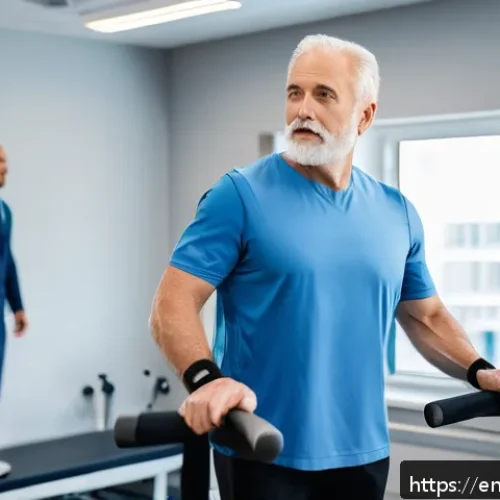
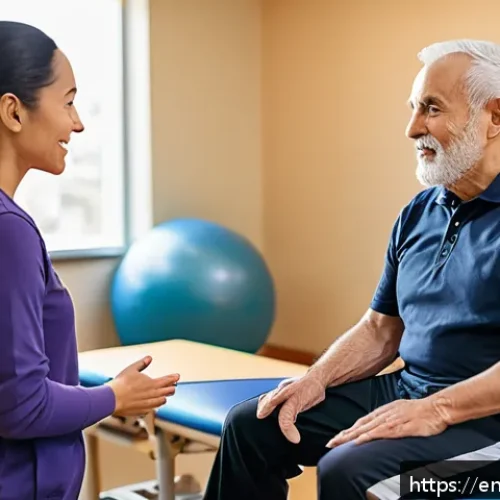
My doctor recommended seeing a physical therapist. What struck me immediately was how incredibly specific and individualized the exercises were. It wasn’t about a general workout; it was about isolating that specific muscle, gently coaxing it back to health, and then carefully strengthening the surrounding areas to prevent a recurrence.
Every stretch, every tiny movement, had a direct, measurable purpose related to my recovery. The therapist wasn’t just giving me exercises; they were guiding me through a precise healing protocol, constantly assessing my pain levels and progress.
It felt less like a workout and more like a carefully orchestrated repair job, with each session building upon the last, steadily guiding my body back to its optimal function.
It was a journey of patience, but incredibly rewarding to feel those small victories as I regained mobility and strength without pain.
Elevating Everyday Movement
Then there’s Pilates, which for many, myself included, came into my life not necessarily from an injury, but from a desire to move better, feel more connected to my core, and just have that undeniable sense of poise.
Before I even considered myself fully “healed” from my hamstring woes, I found myself drawn to Pilates as a way to build a stronger foundation. What I quickly discovered was that Pilates isn’t just about toning up; it’s a profound method for truly understanding how your body moves as an integrated whole.
It taught me how to engage muscles I barely knew existed, especially around my core and pelvis. I remember my first few sessions, feeling utterly bewildered by the instructions to “draw your navel to your spine” or “think about lengthening your neck.” It felt so different from any other exercise I’d done.
But after a few weeks, I started noticing it in my daily life – better posture when standing, less strain when lifting groceries, even a more graceful walk.
It wasn’t just about the hour I spent on the reformer; it was about how that hour translated into a more efficient and elegant way of moving through my entire day.
It’s about building awareness, control, and a deep, intrinsic strength that supports everything you do.
The Guiding Hand: Intent and Personalization
Targeted Recovery: A Path to Repair
When you’re diving into rehabilitation exercises, the intention is crystal clear: to mend, restore, and prevent re-injury. It’s deeply personal because it’s tailored to *your* specific issue.
Imagine a roadmap designed exclusively for *your* journey back to health. My physical therapist, for example, didn’t just give me a generic set of exercises; they assessed my specific hamstring injury, identifying weaknesses, imbalances, and even compensatory patterns I’d developed without realizing it.
We started with gentle movements to reduce inflammation and regain range of motion, then slowly layered in exercises to build strength and stability. There were moments of frustration, absolutely, when progress felt painfully slow, but the therapist was always there, adjusting, encouraging, and explaining the “why” behind each movement.
They used special tools, observed my gait, and even manually manipulated my muscles to ensure I was engaging them correctly. It’s an iterative process, constantly adapting based on how my body responded each week.
The goal isn’t peak performance right away; it’s safe, sustainable recovery, ensuring you’re building a resilient foundation brick by careful brick.
Holistic Conditioning: Building a Stronger Self
Pilates, on the other hand, while incredibly beneficial for injury prevention and even supporting rehabilitation, generally approaches the body with a more holistic conditioning mindset.
Its primary aim isn’t to fix a specific injury, but to build a balanced, strong, and flexible body from the inside out. When I first stepped into a Pilates studio, the instructor wasn’t asking about my specific aches and pains in the same detailed way my physical therapist did.
Instead, the focus was on establishing foundational principles like breath, centering, control, precision, and flow. While exercises can be modified for individual needs, the underlying methodology remains consistent.
It’s about creating uniform strength across your entire kinetic chain, rather than targeting a single weak link. For me, Pilates became a powerful tool to address those underlying imbalances that might have contributed to my hamstring issue in the first place, things like a weak core or tight hip flexors.
It helped me understand how different parts of my body connect and move together, fostering a deeper sense of bodily awareness that was frankly revelatory.
It felt like learning a new language for my body, one that allowed me to communicate with it more effectively and move with greater grace and power.
Beyond the Mat: Unpacking the “How”
Precision and Adaptability in Rehabilitation
The “how” of rehabilitation exercise is often dictated by very precise, sometimes even clinical, movements. Think small, controlled, and often assisted.
When I was rehabbing my hamstring, a lot of the initial work involved resistance bands, light weights, and bodyweight movements, all performed with painstaking attention to form.
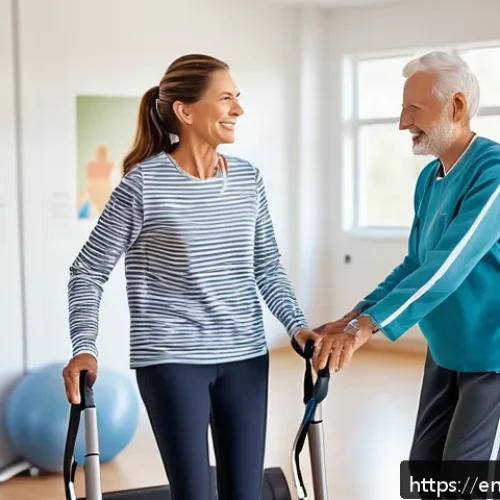
My therapist would physically adjust my posture, point out exactly which muscle I should be feeling, and ensure I wasn’t compensating with other, stronger muscles.
It wasn’t about pushing limits or breaking a sweat; it was about retraining neurological pathways and re-establishing proper muscle activation. The exercises were highly adaptable, too.
If something caused pain, we immediately adjusted it or found an alternative. It truly felt like a science, a carefully calibrated process where every repetition served a specific, remedial purpose.
It’s less about a pre-set routine and more about a dynamic response to your body’s current state. The goal is always to restore function, not just build muscle, so the movements are incredibly intentional and tailored to the pathology at hand.
The Core Principles of Pilates Practice
Pilates, while also incredibly precise, operates within a framework of established principles that guide *all* its movements. Joseph Pilates himself developed a system designed to strengthen the core, improve flexibility, and enhance body awareness.
So, whether you’re on a mat or a reformer, you’re always working with concepts like controlled breathing, spinal articulation, and deep core engagement.
My Pilates instructors would continually remind me to “scoop the abs” or “think of your spine as a string of pearls,” emphasizing these fundamental ideas across various exercises.
While modifications exist to make exercises accessible or more challenging, the essence of the movement remains tied to these core tenets. It’s a systemic approach, teaching you a new way to move and hold yourself that translates beyond the studio.
I quickly learned that even seemingly simple Pilates exercises, when performed with full attention to these principles, could be incredibly challenging and effective.
It’s about quality over quantity, about mastering the control and flow rather than just going through the motions.
My Journey: From Injury to Empowerment
My Own Experience with Targeted Recovery
I’ve had my share of sports-related mishaps over the years, and each time, my journey through rehabilitation felt like a puzzle I was solving with the help of an expert.
My hamstring injury was a real wake-up call, making me realize that even someone who exercises regularly isn’t immune to setbacks. During my rehab, I vividly recall one particular exercise involving a stability ball under my heels for hamstring curls.
At first, it felt impossible to perform without my lower back arching or my hips dropping. My physical therapist, with infinite patience, would gently place their hand on my core, reminding me to engage my abdominals.
It wasn’t just about strengthening my hamstring; it was about relearning how my entire posterior chain worked together. This period of focused, sometimes frustrating, work was crucial.
It taught me a profound respect for the incremental process of healing and the importance of listening intently to what my body was telling me each day.
It wasn’t glamorous, but it was absolutely essential for getting me back to doing what I love without pain or fear.
Discovering Pilates for Long-Term Strength

It was after completing my formal rehab that I truly fell head over heels for Pilates. My therapist even suggested it as a great way to maintain core strength and prevent future injuries, and boy, were they right!
My first Pilates class felt like unlocking a secret language for my body. I’d been working out for years, but suddenly, I was aware of muscles I’d never truly engaged before.
The focus on breathwork and core connection was revolutionary for me. I distinctly remember the “hundreds” exercise – holding a specific position while pumping your arms and breathing deeply – and thinking, “This looks easy!” Oh, how wrong I was!
My abs were burning, and my mind was racing to keep up with the precise movements and breathing cues. But what kept me coming back was how incredible I felt afterwards: energized, lengthened, and surprisingly strong.
It wasn’t just about the physical challenge; it was about the mental focus and the incredible sense of control I gained over my body. Pilates became my go-to for maintaining flexibility, improving my posture, and keeping those old injuries at bay, transforming my overall approach to fitness.
The Long Game: Sustaining Your Body’s Health
Preventative Power: Heading Off Future Woes
When we talk about the long game in health and fitness, prevention is key, right? And that’s where the lines can beautifully blur, and where both rehabilitation exercises and Pilates find their place.
While rehab’s primary role is to get you back on your feet *after* an issue arises, the lessons learned and the strength gained during that process are invaluable for preventing future problems.
I’ve found that the awareness I developed about my body’s specific vulnerabilities during my hamstring rehab has made me much more mindful in all my physical activities.
I know what movements to approach with caution, and I can recognize the early warning signs of potential strain. This isn’t just theory; it’s practical, lived experience.
Understanding your body’s weaknesses through rehabilitation actually empowers you to proactively protect it. It instills a disciplined approach to movement and self-care that truly stands the test of time, making you a more resilient and informed participant in your own health journey.
Integrating Wellness: A Lifestyle Choice
And this brings us back to Pilates as a lifestyle choice, a consistent practice that inherently offers significant preventative benefits. By building a strong, flexible, and balanced body, Pilates helps create a robust internal support system.
I’ve personally experienced how consistent Pilates practice has improved my balance, posture, and overall body mechanics, which in turn reduces my risk of everyday aches, pains, and even accidental injuries.
It’s not just about avoiding big injuries; it’s about minimizing those small, cumulative stresses that can wear your body down over time. Think about how much better you feel when your core is engaged and your spine is aligned – less back pain, more energy, a greater sense of ease in daily tasks.
For me, Pilates isn’t just an exercise class; it’s an integral part of my wellness routine, a weekly check-in with my body that keeps everything humming along smoothly.
It’s about cultivating a body that doesn’t just recover well but thrives and resists the wear and tear of life.
| Feature | Rehabilitation Exercise | Pilates |
|---|---|---|
| Primary Goal | To recover from injury, alleviate pain, and restore specific bodily function. | To build core strength, improve flexibility, enhance body awareness, and promote overall physical conditioning. |
| Approach | Highly individualized, targeted protocols based on medical diagnosis and physical assessment. Progressive loading as recovery allows. | Systematic method based on core principles (centering, concentration, control, precision, breath, flow). Adaptable to various fitness levels. |
| Focus | Healing a specific injury, correcting muscular imbalances directly related to pathology. | Developing uniform strength, flexibility, and coordination across the entire body, especially the deep core muscles. |
| Instructor/Practitioner | Typically performed under the guidance of a physical therapist, occupational therapist, or other medical professional. | Taught by certified Pilates instructors in studios, gyms, or via online platforms. |
| Typical Duration of Engagement | Often short to medium term, focused on resolving the specific injury, with home exercise programs for maintenance. | Often a long-term, ongoing practice as part of a regular fitness and wellness routine. |
Smart Choices for a Stronger You
Consulting the Experts: Your Personal Health Team
Making informed decisions about your physical well-being always starts with listening to your body, but it truly solidifies with expert guidance. When an injury or persistent pain crops up, my first port of call is always a healthcare professional – a doctor, a physical therapist, or an orthopedic specialist.
They are the ones who can accurately diagnose the issue and prescribe the most appropriate course of action, which often involves specific rehabilitation exercises.
Trust me, trying to self-diagnose and “fix” things on your own can lead to more problems down the road. I’ve learned this the hard way! These professionals have the knowledge and tools to create a tailored recovery plan that addresses your unique physiological needs.
They’ll guide you safely through the delicate stages of healing, ensuring you don’t push too hard, too fast. Building a relationship with a skilled physical therapist, someone who truly understands biomechanics, has been one of the smartest investments I’ve made in my long-term health.
They become your personal movement detective, uncovering the root causes of issues and guiding you back to full function.
Harmonizing Your Movement Journey
Ultimately, understanding the distinctions between rehabilitation exercise and Pilates isn’t about choosing one over the other; it’s about recognizing their unique strengths and how they can harmoniously support your overall health journey.
For me, rehab was the critical first step to getting my body back on track after an injury, focusing on targeted repair. Pilates then became the incredible maintenance and enhancement tool, building a resilient, balanced, and strong foundation that helps prevent future issues and elevates my everyday movement.
It’s like building a house: you first need the contractors (rehab experts) to fix any structural damage, and then you bring in the interior designers (Pilates instructors) to make it not only functional but also beautiful and robust for the long haul.
My advice? Don’t hesitate to seek out both! They truly complement each other, empowering you to move with confidence, grace, and strength, no matter what life throws your way.
Here’s to a lifetime of happy, healthy movement!
Wrapping Things Up
So, there you have it, my friends! We’ve taken a pretty deep dive into the fascinating, and sometimes intertwined, worlds of rehabilitation exercises and Pilates. I truly hope that sharing my own journey – from the frustration of a hamstring injury and the painstaking process of recovery, to the pure joy of discovering the profound benefits of Pilates – has offered you some valuable perspective. It’s all about understanding that our bodies are incredible, adaptable machines, but they also need our attentive care, sometimes for specific repairs, and always for holistic maintenance. The key, as I’ve learned firsthand, is knowing when to lean into targeted healing and when to embrace a broader approach to strengthening and mindful movement. This understanding isn’t just academic; it’s a living, breathing guide to navigating your personal wellness path with confidence and genuine self-awareness. Ultimately, both practices are about empowering you to live a life of greater movement freedom and less pain, and that’s a goal truly worth striving for.
Handy Tips to Keep in Mind
1. Always consult a medical professional for any persistent pain or injury before starting a new exercise regimen. Self-diagnosis and treatment can often delay proper healing or even exacerbate the issue, so expert guidance is crucial.
2. Consistency is undeniably more vital than intensity, especially when you’re either recovering from an injury or diligently building foundational strength. Even short, regular sessions contribute significantly to long-term health and functional improvements.
3. Make it a practice to genuinely listen to your body’s signals; it has a profound way of communicating its needs and limits. Pushing through sharp pain is a recipe for setbacks, and often, a gentler approach leads to more sustainable and effective progress.
4. Don’t be afraid to embrace cross-training! Thoughtfully incorporating a diverse array of physical activities, which might include both targeted rehabilitation work and holistic practices like Pilates, cultivates a more resilient and balanced physique.
5. Invest wisely in quality instruction. Whether it’s a board-certified physical therapist for recovery or a highly reputable, certified Pilates instructor for ongoing conditioning, their expertise is an invaluable asset for ensuring proper form and maximizing your benefits safely.
My Final Thoughts
To sum things up, navigating your body’s health is a wonderfully dynamic and personal process. Rehabilitation exercises stand as your precise toolkit for mending specific injuries, focusing on targeted repair and restoring lost function, always under expert guidance. Pilates, conversely, brilliantly serves as your long-term foundation builder, meticulously enhancing overall strength, flexibility, and body awareness, which in turn helps to prevent future issues and undeniably elevates your everyday movement quality. Both are incredibly valuable, offering distinct but profoundly complementary benefits to your well-being. My own journey showed me that a strategic combination – addressing specific needs with diligent rehab, then fortifying with consistent Pilates – creates the most robust, resilient, and wonderfully pain-free physical existence. Embrace both as powerful partners in your lifelong quest for optimal well-being and truly empowered movement. Here’s to your health!
Frequently Asked Questions (FAQ) 📖
Q: What’s the real difference between rehabilitation exercise and Pilates, and why does it even matter to my body?
A: Oh, this is such a common question, and I totally get why it’s confusing! Think of it this way: rehabilitation exercise, especially when guided by a physical therapist, is like the skilled architect of your immediate recovery.
It’s highly targeted, focusing intently on diagnosing and treating a specific injury, a post-surgical area, or a localized pain point. Your physical therapist acts as a detective, evaluating your precise limitations and then prescribing very specific, often manual, techniques and exercises to reduce inflammation, alleviate pain, and restore your foundational mobility.
It’s about getting you back to square one, safely and effectively. Pilates, on the other hand, is more like the long-term wellness coach and body re-educator.
While its origins are deeply rooted in rehabilitation, modern Pilates takes a holistic approach. It’s about strengthening your entire body, especially that deep core, improving posture, enhancing flexibility, and developing an incredible awareness of how your body moves as a whole.
It helps correct muscular imbalances and prevent future injuries by building resilience. So, rehabilitation gets you out of the acute danger zone and sets the stage, while Pilates helps you build a magnificent, functional structure that stands the test of time.
Understanding this distinction matters because it helps you know what kind of professional support you need at each stage of your body’s journey and helps you avoid setbacks by choosing the right modality at the right time.
Q: Can I just dive straight into Pilates if I’m dealing with an injury, or do I have to go through traditional rehabilitation first?
A: That’s a fantastic question, and one I’ve heard countless times from eager individuals wanting to feel better fast! My honest answer, drawing from my own experiences and what I’ve seen work wonders for others, is that for acute injuries or post-surgical recovery, traditional rehabilitation with a qualified physical therapist is almost always the essential first step.
Here’s why: A physical therapist is trained to diagnose the specific nature of your injury, assess the severity, and understand exactly what tissues are compromised.
They have the expertise to provide hands-on treatments, manage pain, and guide you through the very delicate initial phases of healing with exercises that are precisely tailored to your body’s current limitations.
Without that initial, expert assessment and targeted intervention, jumping directly into Pilates, even modified, could inadvertently exacerbate your injury or lead to compensatory movement patterns that create new problems down the line.
Once your physical therapist gives you the green light and you’ve regained a baseline of strength and mobility, then — and this is where it gets exciting — Pilates becomes an absolutely incredible bridge to full recovery and beyond.
It can reinforce the work you did in rehab, fine-tune your movement patterns, and build lasting resilience. So, think of it as a relay race: your physical therapist starts strong, gets you stable, and then gracefully hands the baton to Pilates to carry you across the finish line of long-term wellness and performance!
Q: My body feels a bit “off” but I’m not sure if it’s an injury or just general stiffness. How do I decide whether I need rehab exercises, Pilates, or maybe even both?
A: Oh, I totally get that feeling of “something’s not quite right” but not knowing what to do about it! It’s a common dilemma, and the key, truly, is listening to your body and getting the right guidance.
If you’re experiencing acute pain, meaning sudden, sharp, or persistent discomfort, especially after an incident or if it’s limiting your daily activities, then my strongest recommendation is to start with a visit to your doctor or a physical therapist.
They are your primary care professionals who can diagnose the root cause of the issue, rule out anything serious, and craft a specific rehabilitation plan to address the immediate problem.
They’ll help calm things down and get you moving without pain. Now, if your discomfort is more of a chronic ache, a nagging stiffness, or you’re simply feeling generally weak, unbalanced, or lacking flexibility – basically, you’re feeling “off” but not necessarily injured – then Pilates could be an amazing starting point.
Even better, many physical therapists are now trained in Clinical Pilates and can assess you, then guide you through specific Pilates exercises tailored to your needs.
What I’ve personally found, and what so many of my clients attest to, is that a blend of both is often the magic formula. You might start with focused rehab to address a specific issue, and once that’s stable, transition into consistent Pilates to build a resilient, balanced body that helps prevent those “off” feelings from returning.
It’s all about creating a proactive, empowering strategy for your long-term health, tailor-made for you.