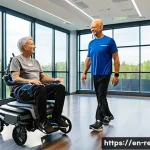
Recovering from a stroke often feels overwhelming, but incorporating the right exercise routine can make a significant difference in regaining strength and mobility.
Gentle, targeted movements not only improve physical function but also boost mental well-being during recovery. From simple stretches to guided strength training, each step helps rebuild confidence and independence.
Understanding how to safely approach these exercises is crucial for maximizing benefits without risking injury. If you or a loved one is navigating this journey, knowing the right routine can be empowering.
Let’s dive deeper into the most effective stroke recovery exercises and how to implement them safely!
Rebuilding Movement Through Gentle Stretching
Understanding the Importance of Stretching After Stroke
Recovering from a stroke often leaves muscles stiff and joints less flexible, making everyday movements challenging. Stretching is a crucial first step because it gently loosens tight muscles and improves circulation, which can reduce discomfort and spasticity.
From my own experience working with stroke survivors, starting with simple stretches helped ease the initial frustration of limited mobility. The key is to approach each stretch slowly and never push into pain, which could cause setbacks.
Small daily improvements build momentum, and over time, these stretches can significantly expand your range of motion.
Simple Stretching Techniques You Can Try at Home
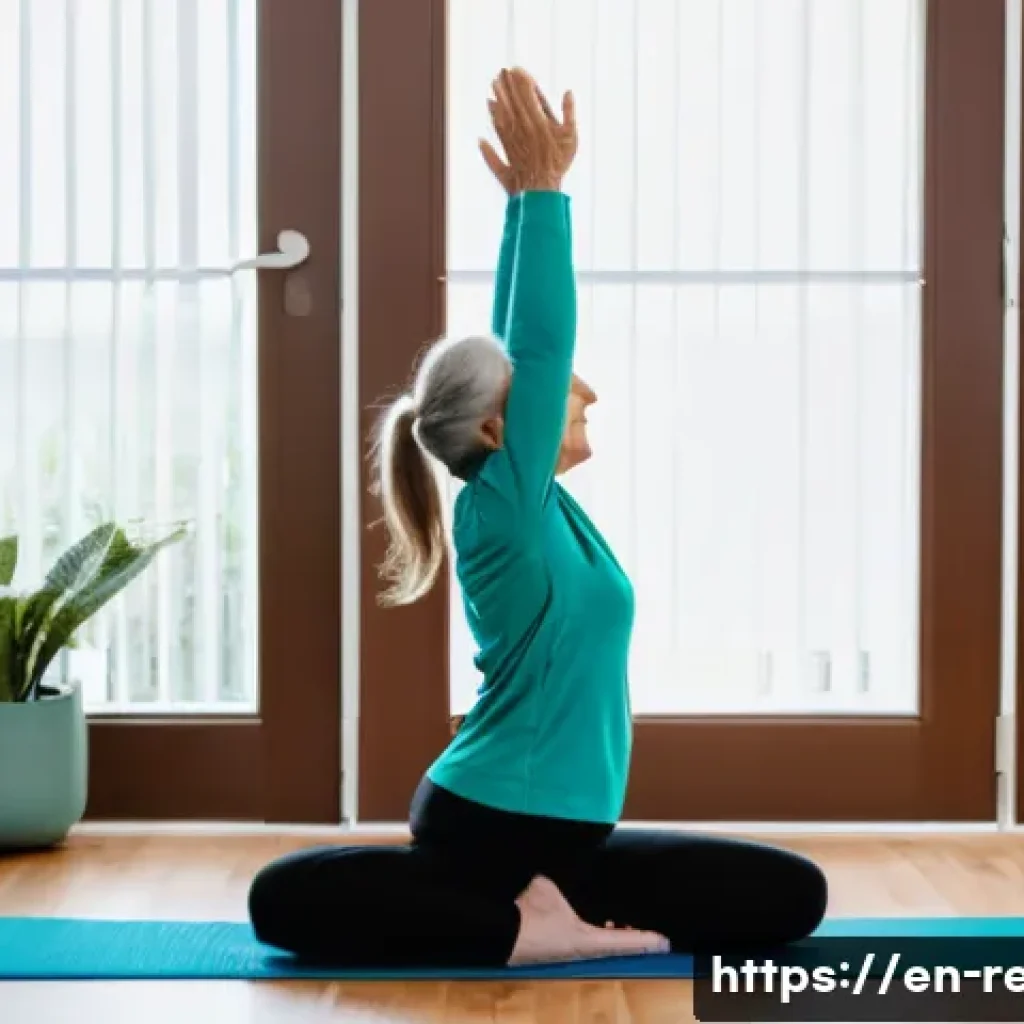
Begin with seated stretches, such as reaching arms overhead or side bends, which don’t require standing balance. Neck rolls and gentle wrist stretches also help relieve tension.
For those with limited arm movement, assisted stretches using a towel or strap can be very effective. I’ve seen patients make great progress by incorporating these stretches into morning and evening routines, often pairing them with deep breathing to enhance relaxation.
Consistency is key; even five minutes twice a day can create noticeable improvements.
Incorporating Stretching Safely Into Your Daily Routine
Safety can’t be overstated when it comes to stretching post-stroke. It’s important to avoid any jerky or forceful movements that might strain weakened muscles.
If balance is an issue, sitting down or using support like a chair or wall is advisable. Listening to your body’s signals is essential — if a stretch causes sharp pain or dizziness, stop immediately and consult a therapist.
I always recommend working with a physical therapist initially to learn the correct form and receive personalized guidance, which helps prevent injuries and builds confidence.
Regaining Strength with Targeted Resistance Exercises
Why Strength Training Matters for Stroke Recovery
After a stroke, muscle weakness often affects one side of the body, leading to difficulties in everyday tasks such as holding objects or walking. Strength training plays a pivotal role in rebuilding muscle power, improving coordination, and restoring independence.
From my observations, patients who engage in regular resistance exercises tend to recover faster and regain functional abilities more effectively. It’s about retraining the brain and muscles to work together again, which also boosts motivation and mood.
Effective Resistance Exercises for Beginners
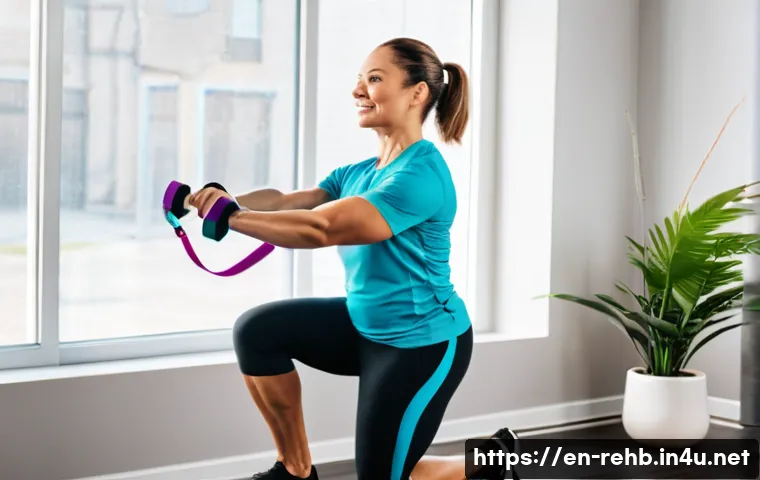
Starting with light resistance bands or bodyweight exercises can be both safe and effective. Examples include seated leg lifts, bicep curls with bands, and wall push-ups.
These exercises can be adapted to individual ability levels and gradually increased as strength improves. I’ve personally found that incorporating resistance training into rehab sessions breaks the monotony and gives a tangible sense of progress.
Keeping track of reps and gradually challenging muscles prevents plateaus and encourages continuous improvement.
Tips for Staying Consistent and Avoiding Fatigue
Fatigue is a common hurdle in stroke recovery, so pacing yourself is critical. Rather than doing long sessions, short, frequent workouts throughout the day often work better.
Hydration, proper nutrition, and rest also support muscle recovery. I always advise setting realistic goals and celebrating small victories to maintain motivation.
Partnering with a caregiver or joining a support group can add accountability and emotional encouragement, making it easier to stick with the routine.
Enhancing Balance and Coordination for Safer Mobility
The Role of Balance Exercises in Preventing Falls
One of the biggest challenges after a stroke is regaining balance, which is essential to prevent falls and injuries. Balance exercises help retrain the nervous system to maintain stability during movement.
Based on experience, patients who practice balance-focused activities feel more confident walking and standing. Even small improvements in balance can translate into greater independence and reduce anxiety about moving around.
Simple Balance Activities to Practice Daily
Begin with seated balance exercises like weight shifts or reaching out with arms while sitting. Once comfortable, progress to standing exercises such as heel-to-toe walks, standing on one leg with support, or gentle side-to-side weight shifts.
Using a sturdy chair or countertop for support is important in the early stages. I recommend practicing these exercises in a safe environment, like a room with soft flooring, to build confidence before venturing into more challenging settings.
Incorporating Technology and Tools for Balance Training
Devices like balance boards, stability balls, or smartphone apps designed for balance training can add variety and feedback to the rehab process. From what I’ve seen, incorporating technology keeps patients engaged and provides measurable progress indicators.
Virtual reality and interactive games are also emerging as fun ways to improve balance, though these should be used under professional guidance to ensure safety.
Improving Cardiovascular Health Through Low-Impact Cardio
Why Cardiovascular Fitness Is Essential Post-Stroke
Stroke survivors often face reduced endurance, making even short walks tiring. Low-impact cardiovascular exercises help improve heart and lung function, increase stamina, and support overall brain health.
I’ve noticed that patients who include gentle cardio in their routines experience improved energy levels and mood, which positively affects their entire recovery journey.
Safe Low-Impact Cardio Options to Consider
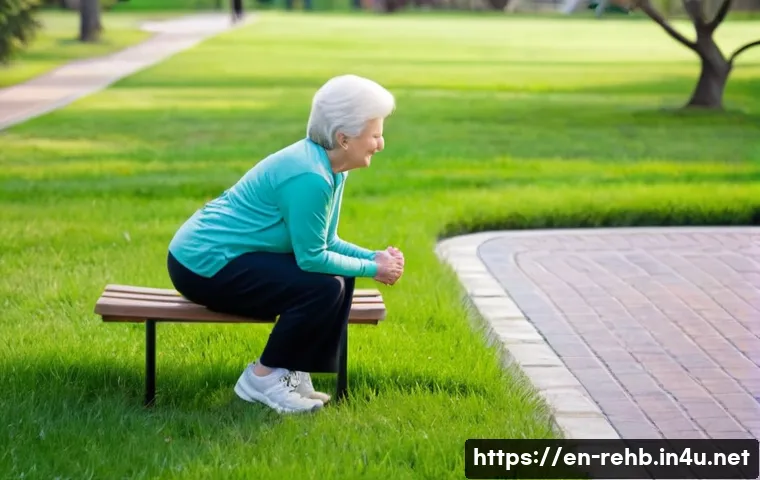
Walking, stationary cycling, and water aerobics are excellent choices that minimize joint strain while boosting cardiovascular health. Starting slow and gradually increasing duration is important to avoid overexertion.
I’ve worked with many patients who find water-based exercise especially beneficial since buoyancy reduces pressure on weakened limbs and provides a sense of freedom in movement.
Monitoring Intensity and Progress for Maximum Benefit
Using perceived exertion scales or heart rate monitors can help ensure exercise intensity stays within safe limits. It’s better to err on the side of caution, especially early in recovery.
Keeping a journal of activities and how you feel afterwards can highlight progress and help tailor the routine as endurance improves. Incorporating rest days and listening to your body prevents burnout and supports sustainable gains.
Incorporating Mind-Body Techniques to Support Recovery
The Connection Between Mental and Physical Healing
Stroke recovery isn’t just physical—it’s deeply emotional and cognitive. Mind-body practices like yoga, tai chi, and meditation help reduce stress, improve focus, and promote neuroplasticity, which is the brain’s ability to rewire itself.
I’ve personally seen patients gain mental clarity and emotional resilience by integrating these techniques alongside physical rehab.
Gentle Yoga and Breathing Exercises for Stroke Survivors
Modified yoga poses focusing on gentle stretching, balance, and breathing can improve flexibility and calm the nervous system. Breathing exercises, such as diaphragmatic breathing, help reduce anxiety and improve oxygen flow, which supports brain function.
Starting with short, guided sessions ensures safety and builds confidence.
Creating a Routine That Combines Movement and Mindfulness
Consistency is vital—setting aside time each day for mind-body practices can become a powerful complement to physical exercises. I recommend pairing these sessions with light stretching or balance exercises to create a holistic recovery routine.
Many patients find that this combination helps them stay motivated and emotionally balanced during the ups and downs of recovery.
Tracking Progress and Adjusting Your Routine
Why Monitoring Your Recovery Matters
Keeping track of what exercises you do, how long you do them, and how you feel afterward provides valuable feedback. This helps identify what’s working and what might need adjustment.
From working with stroke survivors, I’ve learned that monitoring progress boosts motivation because it turns abstract goals into visible achievements.
Using Simple Tools to Measure Improvement
Tools like exercise logs, mobile apps, or even photos and videos can document changes in strength, balance, and flexibility. These records also provide useful information to healthcare providers who can tailor your rehab plan more effectively.
I encourage patients to celebrate even small gains to maintain a positive mindset.
Adapting Your Routine as You Recover
Recovery is not linear, so adjusting your exercises based on progress and challenges is essential. As strength and endurance improve, increasing intensity or trying new movements prevents stagnation.
Conversely, if you experience setbacks, scaling back and focusing on gentle activities can aid healing. I always emphasize flexibility and patience—your body knows best.
| Exercise Type | Benefits | Recommended Frequency | Safety Tips |
|---|---|---|---|
| Gentle Stretching | Improves flexibility, reduces muscle stiffness | Daily, 5-10 minutes | Move slowly, avoid pain, use support if needed |
| Resistance Training | Builds muscle strength, enhances coordination | 3-4 times per week | Start light, focus on form, rest between sessions |
| Balance Exercises | Prevents falls, improves stability | Daily or every other day | Use supports, practice in safe environment |
| Low-Impact Cardio | Boosts endurance, supports heart health | 3-5 times per week | Monitor intensity, stay hydrated, rest as needed |
| Mind-Body Techniques | Reduces stress, enhances neuroplasticity | Daily or several times per week | Start with guided sessions, avoid overexertion |
글을 마치며
Recovering from a stroke is a journey that requires patience, consistency, and gentle care. By incorporating stretching, strength training, balance exercises, and mind-body techniques, you can gradually rebuild movement and confidence. Remember, every small step forward counts and contributes to a stronger, healthier you. Stay committed, listen to your body, and celebrate your progress along the way.
알아두면 쓸모 있는 정보
1. Start slow with gentle stretches to avoid injury and build flexibility gradually.
2. Consistency matters more than intensity—short, daily sessions often yield better results.
3. Use supports like chairs or walls during balance exercises to stay safe and confident.
4. Tracking your progress with simple tools helps maintain motivation and guides adjustments.
5. Combining physical exercises with mind-body practices can enhance both recovery and emotional well-being.
중요 사항 정리
Prioritize safety by moving gently and avoiding pain or dizziness during exercises. Establish a routine that balances stretching, strength, balance, and cardio while incorporating rest and hydration to prevent fatigue. Seek professional guidance early on to learn correct techniques and tailor your program to your unique needs. Finally, maintain a positive mindset by recognizing small victories and adapting your routine as you progress to ensure sustainable recovery.
Frequently Asked Questions (FAQ) 📖
Q: What types of exercises are safest to start with after a stroke?
A: Starting with gentle, low-impact exercises is usually the safest approach after a stroke. Simple stretches and range-of-motion movements can help improve flexibility without putting too much strain on your body.
Walking, if possible, is also great for building endurance. It’s important to begin slowly and listen to your body—stop if you feel pain or dizziness.
Consulting with a physical therapist to create a personalized plan ensures the exercises match your current abilities and recovery stage, which minimizes the risk of injury.
Q: How often should stroke survivors exercise to see progress without overdoing it?
A: Consistency is key, but moderation is equally important. Many stroke survivors benefit from exercising around 3 to 5 times per week, with sessions lasting 20 to 30 minutes depending on their stamina.
The goal is to gradually increase activity without overwhelming the body. I’ve noticed that shorter, more frequent sessions often lead to better adherence and less fatigue compared to long, infrequent workouts.
Always check in with your healthcare provider to tailor the frequency and intensity as you improve.
Q: Can exercise really improve mental well-being during stroke recovery?
A: Absolutely. Physical activity triggers the release of endorphins, which are natural mood lifters. From my experience and what many stroke survivors share, engaging in regular, achievable exercises provides a sense of accomplishment that boosts confidence and reduces feelings of frustration or depression.
Plus, movement enhances blood flow to the brain, potentially aiding cognitive recovery. Even simple activities like gentle yoga or walking outside can brighten your mood and help you feel more in control during a challenging time.