Recovering from paralysis can be a daunting journey, and choosing the right rehabilitation center plays a crucial role in regaining independence and quality of life.
With so many options available, understanding the differences in treatment approaches, facilities, and expert care is essential. From advanced technology to personalized therapy plans, each center offers unique benefits tailored to individual needs.
For anyone navigating this challenging path, making an informed decision can greatly impact the recovery process. Let’s dive into the details and explore how to find the best fit for effective rehabilitation!
Evaluating Rehabilitation Techniques for Paralysis Recovery
Conventional Physical Therapy vs. Innovative Approaches
When it comes to paralysis rehabilitation, traditional physical therapy remains a cornerstone, focusing on muscle strengthening, joint mobility, and functional exercises.
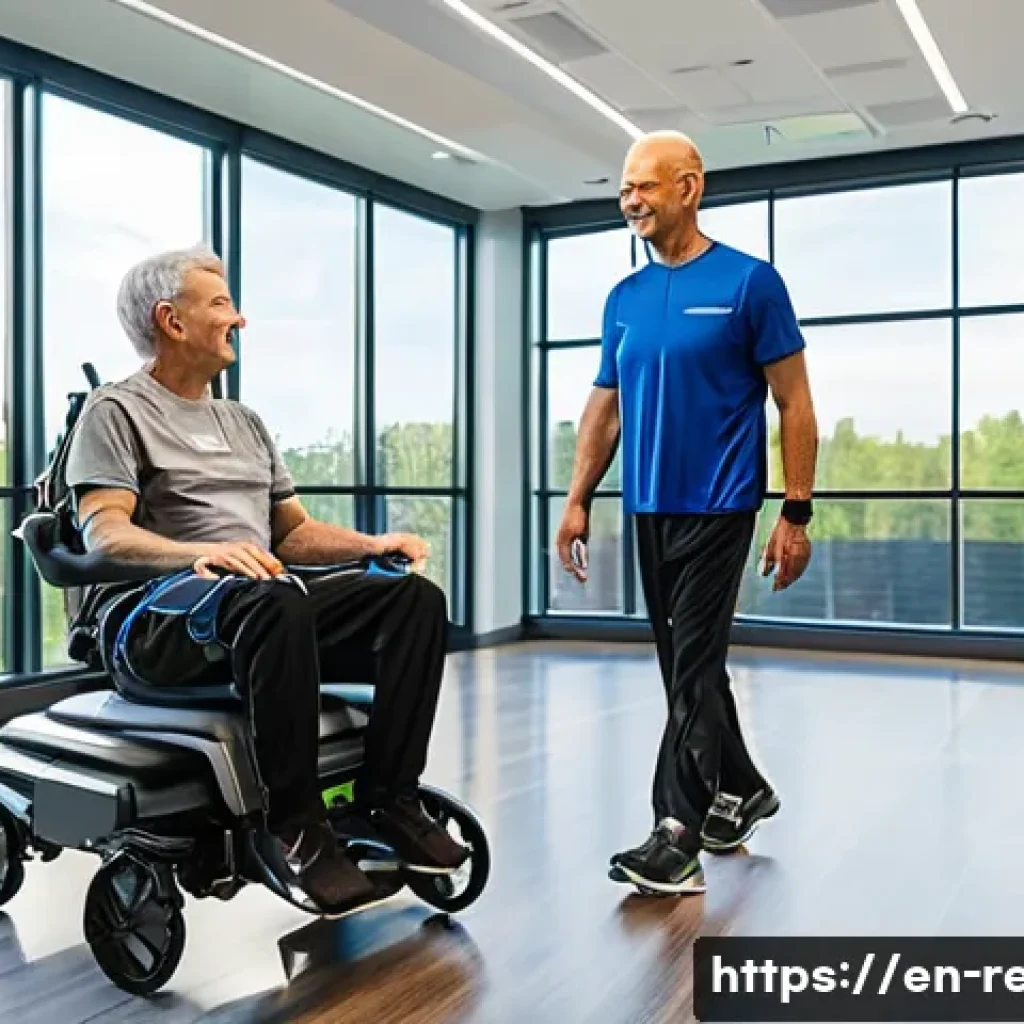
However, in recent years, many centers have integrated cutting-edge techniques such as robotic-assisted therapy and virtual reality training. From my experience visiting different facilities, the innovative methods often provide more engaging and motivating environments, which can be crucial when progress feels slow.
While conventional therapy relies heavily on repetitive manual exercises, these newer technologies offer precise movement assistance and real-time feedback, accelerating motor relearning.
Yet, it’s important to note that not every patient benefits equally; some respond better to hands-on therapy, especially those with complex spasticity or sensory impairments.
Personalization of Therapy Plans
One thing I noticed across top-tier rehabilitation centers is their commitment to tailoring therapy to individual needs. Instead of a one-size-fits-all routine, therapists develop customized plans considering the patient’s paralysis level, age, lifestyle, and even psychological state.
For instance, a younger patient aiming to return to an active job might receive more intensive gait training, while an older adult with comorbidities could focus on balance and endurance.
This personalization not only increases the effectiveness of therapy but also enhances patient motivation. From my conversations with rehab specialists, the best centers continuously reassess progress and adapt programs accordingly, ensuring that therapy evolves with the patient’s recovery pace.
Integration of Multidisciplinary Support
Effective paralysis rehabilitation is rarely about physical recovery alone. Leading centers incorporate a multidisciplinary team approach, combining physical therapists, occupational therapists, speech therapists, psychologists, and social workers.
This holistic care addresses both physical limitations and emotional well-being, which I found critical in sustaining long-term motivation. For example, psychological counseling helps patients cope with frustration and anxiety, while occupational therapy focuses on relearning daily activities.
The presence of a social worker can ease the transition back home or to community life by coordinating resources and support. Facilities that foster this integrated model tend to report higher patient satisfaction and better overall outcomes.
Facility Amenities and Technological Advancements
State-of-the-Art Equipment and Accessibility
From personal visits and detailed facility tours, I can say that the availability of advanced equipment greatly influences the rehabilitation experience.
Centers equipped with exoskeletons, functional electrical stimulation devices, and hydrotherapy pools offer a wider range of therapeutic options. These tools often enable patients to practice movements that would otherwise be impossible due to paralysis severity.
Accessibility is equally important; ramps, wide corridors, and adaptive vehicles within the facility ensure that patients navigate the environment safely and independently.
In one facility I explored, the seamless integration of technology with accessibility features created an empowering atmosphere that encouraged patients to push their limits confidently.
Comfort and Support Services
Rehabilitation can be exhausting, so the quality of accommodations and support services plays a surprisingly big role. Comfortable private rooms, nutritious meal plans tailored for recovery, and recreational spaces all contribute to a positive mental state.
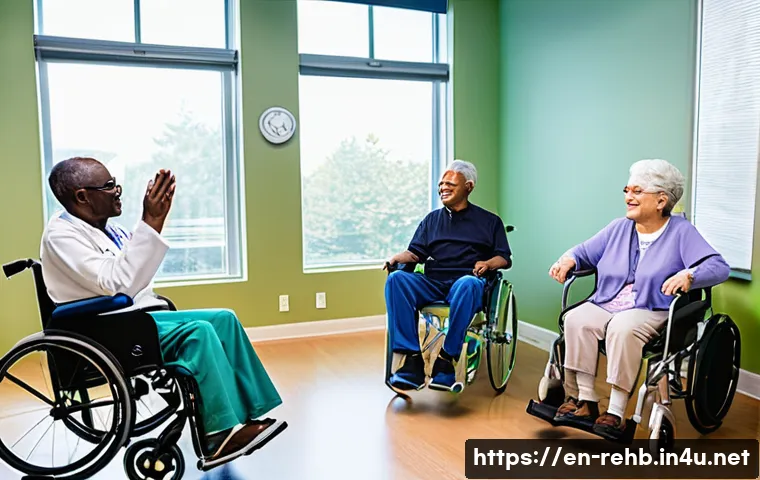
I recall a center where weekly group activities and relaxation sessions were offered, which helped patients build camaraderie and relieve stress. Additionally, family support programs, including education and counseling, strengthen the recovery network beyond the clinic walls.
Facilities that invest in these holistic comfort and support elements often see better adherence to therapy and improved emotional resilience among patients.
Comparison of Key Facility Features
| Feature | Traditional Rehab Center | Advanced Tech Rehab Center | Holistic Care Facility |
|---|---|---|---|
| Therapy Equipment | Basic exercise tools, manual therapy | Robotics, VR, electrical stimulation | Mixed; tech plus alternative therapies |
| Therapy Personalization | Standardized protocols | Highly customized with data feedback | Custom plans with multidisciplinary input |
| Patient Accommodations | Shared rooms, basic amenities | Private rooms, modern facilities | Private rooms with family support |
| Emotional & Social Support | Limited, mainly physical focus | Some counseling services | Comprehensive psychological and social services |
| Accessibility | Standard ADA compliance | Advanced adaptive equipment | Fully integrated accessibility and transport |
Expertise and Credentials of Rehabilitation Teams
Specialized Training and Certifications
One factor I always check when comparing paralysis rehab centers is the qualifications of their clinical teams. Centers staffed by board-certified physiatrists, licensed physical therapists with neurorehabilitation specialization, and certified occupational therapists tend to deliver higher quality care.
I’ve seen that facilities investing in ongoing staff education and training stay ahead in adopting best practices. For example, therapists trained in the latest neuroplasticity-based techniques can better facilitate motor recovery.
This level of expertise reassures patients and families that their care is grounded in evidence-based medicine rather than outdated routines.
Experience with Paralysis Cases
Experience matters immensely in paralysis rehabilitation. I noticed that centers with a strong track record of treating spinal cord injuries or stroke-induced paralysis often have better outcomes.
These facilities have refined protocols through years of patient data and can anticipate common complications like pressure sores or autonomic dysreflexia.
The clinical teams’ familiarity with such challenges means quicker intervention and fewer setbacks. Patients often mention feeling more confident when they know their therapists have “seen it all” and can tailor solutions to unique recovery hurdles.
Ongoing Research and Clinical Trials
Some top rehab centers actively participate in clinical research or host trials for emerging therapies. From what I gathered, this involvement not only advances the field but also gives patients access to cutting-edge treatments not widely available elsewhere.
For example, stem cell therapy or novel neurostimulation techniques may be offered under controlled studies. Being part of a research-driven environment can inspire hope and engagement, especially for patients with severe paralysis.
However, it’s crucial to weigh the experimental nature against established therapies, and centers with transparent communication about risks and benefits tend to earn greater trust.
Insurance, Costs, and Financial Considerations
Understanding Coverage and Out-of-Pocket Expenses
Navigating insurance coverage for paralysis rehabilitation can be overwhelming. I’ve helped several people review their policies and found that coverage varies widely depending on the insurer, plan type, and location.
Some centers work closely with major insurance providers and offer clear estimates of out-of-pocket costs upfront. Others may require extensive pre-authorization, leading to delays.
Knowing whether your plan covers inpatient rehab, outpatient services, or specific therapies like aquatic therapy can make a huge difference in affordability.
It’s wise to request detailed billing information and consult with financial counselors at the rehab centers before committing.
Financial Assistance and Payment Plans
Many rehabilitation centers recognize the financial burden and provide options such as sliding scale fees, payment plans, or assistance with grant applications.
From what I observed, centers with dedicated patient advocates are invaluable in guiding families through these options. Some nonprofits also partner with rehab facilities to subsidize costs for eligible patients.
Don’t hesitate to ask about scholarships or fundraising campaigns, as these can significantly ease the financial strain. In my experience, proactive financial planning reduces stress and allows patients to focus fully on recovery.
Comparing Cost Structures Across Facilities
Cost differences often reflect the level of services and amenities offered. For example, a basic inpatient rehab stay might run from $15,000 to $30,000 per month, while high-tech centers with private rooms and extensive therapy options can exceed $50,000 monthly.
Outpatient programs are generally more affordable but may require longer treatment durations. Here’s a rough comparison based on typical US centers:
| Facility Type | Approximate Monthly Cost | Insurance Compatibility | Financial Aid Availability |
|---|---|---|---|
| Basic Rehab Center | $15,000 – $25,000 | Widely accepted | Limited |
| Advanced Tech Center | $30,000 – $50,000+ | Selective | Some options |
| Comprehensive Holistic Facility | $25,000 – $45,000 | Moderate acceptance | Good support |
Patient Outcomes and Success Stories
Measuring Functional Gains
Recovery from paralysis is often tracked using standardized scales like the Functional Independence Measure (FIM) or walking speed tests. Based on reports and personal interviews with patients, centers that emphasize goal-oriented therapy tend to show more consistent functional gains.
For example, some patients I met improved from wheelchair dependence to limited walking with assistive devices within months. It’s important to understand that recovery is highly individualized, and success may look different for each person—whether regaining hand function, improving balance, or achieving better respiratory control.
Long-Term Support and Community Reintegration
One crucial but sometimes overlooked factor is how well a rehab center prepares patients for life after discharge. Centers that provide robust outpatient follow-up, peer support groups, and vocational training help sustain progress.
I’ve observed that patients who stay connected with their rehab teams report higher confidence and fewer hospital readmissions. Community reintegration programs that include adaptive sports, job coaching, and social activities can transform recovery from mere survival to thriving.
Testimonials and Patient Satisfaction
Hearing directly from former patients offers valuable insights into a center’s culture and effectiveness. Many success stories highlight not only physical improvements but also emotional healing and renewed hope.
For instance, one patient shared how compassionate staff helped her overcome depression and regain independence. Another praised the center’s flexible scheduling and family involvement.
These narratives reveal that beyond clinical outcomes, the human connection and encouragement are equally vital components of a successful rehabilitation journey.
Location, Accessibility, and Family Involvement
Proximity to Home and Support Networks
Choosing a rehab center close to home or family can make a huge difference. I’ve seen firsthand how regular visits from loved ones boost morale and accelerate recovery.
Centers located in urban areas often provide easier access to specialists and community resources. However, some rural or specialized centers offer unique expertise worth traveling for.
Balancing convenience with quality care is a personal decision, but having a strong support network nearby is invaluable for emotional and practical assistance.
Transport and Accommodation for Families
For patients and families traveling to a rehab center, availability of transport options and nearby accommodations matter greatly. Some facilities offer shuttle services, on-site guest rooms, or partnerships with local hotels at discounted rates.
This logistical support can alleviate stress, especially during lengthy rehab stays. From what I’ve learned, centers that prioritize family inclusion through such amenities foster a collaborative recovery environment, making it easier for caregivers to participate in therapy sessions and discharge planning.
Community Integration and Accessibility Post-Rehab
An often under-discussed aspect is how well the rehab center prepares patients for returning to their community environment. Facilities that provide home modification consultations, adaptive driving programs, and access to local support groups help bridge the transition from hospital to home.
I remember a family expressing gratitude for a center’s comprehensive discharge plan that included not only medical follow-up but also training for independent living skills.
Ensuring the patient’s new environment supports continued independence is essential for maintaining gains and preventing setbacks.
Conclusion
Rehabilitation for paralysis is a complex journey that benefits greatly from personalized care, advanced technology, and a supportive multidisciplinary team. Each patient’s needs and progress are unique, requiring adaptable therapy plans and emotional support to foster motivation and success. Choosing the right facility involves considering not only medical expertise but also comfort, accessibility, and community integration. Ultimately, a holistic approach that combines innovation with compassionate care can significantly improve recovery outcomes.
Useful Information to Keep in Mind
1. Personalized rehabilitation plans tailored to individual needs tend to yield better functional recovery and higher patient satisfaction.
2. Advanced technologies like robotic-assisted therapy and virtual reality can enhance engagement and accelerate motor relearning but may not suit every patient.
3. Multidisciplinary support addressing both physical and emotional challenges is critical for sustained motivation and comprehensive recovery.
4. Understanding insurance coverage and exploring financial assistance options upfront can alleviate stress and ensure uninterrupted therapy.
5. Proximity to family and accessible facilities with strong community reintegration programs contribute greatly to long-term success after discharge.
Key Takeaways
Choosing an effective paralysis rehabilitation program requires evaluating therapy personalization, team expertise, and the availability of cutting-edge equipment. Equally important are the emotional and social support systems that empower patients throughout their recovery. Financial transparency and logistical convenience for families play essential roles in maintaining commitment to therapy. Finally, successful rehabilitation extends beyond the clinic, emphasizing preparation for independent living and community participation to ensure lasting improvements.
Frequently Asked Questions (FAQ) 📖
Q: What factors should I consider when choosing a rehabilitation center for paralysis recovery?
A: When selecting a rehab center, it’s vital to look beyond just location or cost. Focus on the quality of care by checking if the facility offers specialized programs tailored to paralysis recovery, such as physical, occupational, and speech therapies.
Also, consider whether they use advanced technology like robotic-assisted therapy or virtual reality to enhance treatment. The expertise and credentials of the medical and therapy staff play a huge role, so ask about their experience with paralysis patients.
Visiting the center to get a feel for the environment and how personalized the care plans are can also make a big difference in your comfort and motivation during recovery.
Q: How important is personalized therapy in the rehabilitation process for paralysis?
A: Personalized therapy is absolutely crucial because paralysis affects everyone differently. From my experience and talking to others who’ve been through rehab, generic therapy plans often miss key individual needs and can slow progress.
Tailored therapies focus on your specific challenges and goals, whether regaining hand movement, improving balance, or relearning daily tasks. A customized approach keeps patients engaged and motivated, which really boosts recovery outcomes.
Plus, therapists who adapt treatments as you improve help prevent frustration and plateaus, making your journey more effective and manageable.
Q: Can advanced technology in rehabilitation centers significantly impact recovery from paralysis?
A: Yes, advanced technology can make a noticeable difference. I’ve seen patients benefit from tools like exoskeletons, electrical stimulation devices, and immersive VR exercises that provide more intensive and precise training than traditional methods.
These technologies can accelerate muscle strengthening, coordination, and neural retraining, which are all critical for paralysis recovery. However, it’s important that technology is integrated with expert clinical guidance—just having gadgets isn’t enough.
When combined with skilled therapists who tailor treatments, tech can enhance motivation and lead to better, faster results.