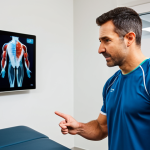
As someone who’s watched loved ones struggle with the daily aches and stiffness, I know firsthand how debilitating osteoarthritis can be. It’s not just ‘old age’; it’s a real condition affecting millions, and it’s not always a one-size-fits-all situation when it comes to managing the pain and keeping mobile.
The latest research suggests a blend of approaches, from tailored exercise routines to cutting-edge regenerative therapies, is key. Also, I have been reading a lot about the importance of diet and lifestyle changes in mitigating the symptoms.
Let’s get the real facts of osteoarthritis management in the article below.
Understanding Osteoarthritis: Beyond Just Wear and Tear

Osteoarthritis, often misunderstood as merely the result of aging, is a complex joint condition that affects the entire joint, including cartilage, bone, ligaments, and muscles. I’ve seen firsthand how it can impact someone’s ability to perform simple tasks like climbing stairs or even holding a cup of coffee. Unlike inflammatory arthritis, like rheumatoid arthritis, osteoarthritis primarily involves the breakdown of cartilage, the cushioning tissue at the end of bones. This breakdown leads to bone rubbing directly on bone, causing pain, stiffness, and reduced range of motion. The old school thinking was rest is best, however, studies now show that the right kind of movement and strength work are vital. The key is to understand where you’re at, and adjust activities accordingly. Think of it as an ongoing negotiation with your body.
1. Differentiating Osteoarthritis from Other Joint Conditions
It’s crucial to distinguish osteoarthritis from other forms of arthritis, as the treatment approaches can vary significantly. For example, rheumatoid arthritis is an autoimmune disease that attacks the joints, whereas osteoarthritis is more about the mechanical wear and tear. Gout, on the other hand, involves the buildup of uric acid crystals in the joints, causing sudden and severe pain. Knowing the specific type of arthritis helps tailor the treatment plan more effectively. A proper diagnosis involves a physical exam, imaging tests like X-rays or MRIs, and sometimes joint fluid analysis.
2. The Role of Inflammation in Osteoarthritis
While osteoarthritis is primarily a degenerative condition, inflammation plays a significant role in the pain and progression of the disease. As cartilage breaks down, it releases substances that trigger inflammation within the joint. This inflammation can lead to further cartilage damage and increased pain. Targeting inflammation through lifestyle changes, diet, and medications is a crucial aspect of osteoarthritis management. Personally, I’ve noticed that when I cut back on processed foods and sugar, my joint pain significantly decreases.
Tailored Exercise Programs: Moving Towards Pain Relief
One of the most effective ways to manage osteoarthritis is through a tailored exercise program. When my uncle was diagnosed, he was told to “take it easy.” It wasn’t helpful. Specific exercises strengthen the muscles around the affected joints, provide support, and reduce stress on the joint. Low-impact activities like swimming, cycling, and walking are great options. These exercises improve joint flexibility, reduce pain, and enhance overall function. A physical therapist can create a personalized exercise plan based on individual needs and limitations. It’s about finding the right balance between activity and rest.
1. The Importance of Low-Impact Exercises
Low-impact exercises are gentle on the joints and minimize the risk of further injury. Activities like swimming and water aerobics provide a buoyant environment that reduces stress on weight-bearing joints. Cycling strengthens leg muscles without putting excessive pressure on the knees and hips. Walking is a simple yet effective exercise that improves cardiovascular health and joint mobility. The key is to start slowly and gradually increase the intensity and duration of the exercise.
2. Strengthening Exercises for Joint Support
Strengthening exercises are crucial for building muscle mass around the affected joints. Strong muscles provide support, reduce stress on the joint, and improve overall stability. Exercises like squats, lunges, and calf raises can strengthen the muscles around the knees and hips. Resistance bands can be used to add resistance to these exercises, making them more challenging. It’s essential to perform these exercises with proper form to avoid injury.
3. Flexibility and Range-of-Motion Exercises
Flexibility and range-of-motion exercises help maintain joint mobility and reduce stiffness. Stretching exercises, such as hamstring stretches, quad stretches, and calf stretches, can improve flexibility in the legs. Yoga and Pilates are excellent options for improving overall flexibility and balance. These exercises can also help reduce pain and improve posture. Incorporating flexibility exercises into your daily routine can make a significant difference in managing osteoarthritis symptoms.
Dietary Strategies: Nourishing Your Joints
Diet plays a crucial role in managing osteoarthritis. Certain foods can help reduce inflammation, support cartilage health, and alleviate pain. An anti-inflammatory diet rich in fruits, vegetables, whole grains, and healthy fats can make a significant difference. I’ve noticed that when I eat more fish and less red meat, my joints feel much better. Avoiding processed foods, sugary drinks, and excessive alcohol can also help reduce inflammation and improve overall health. It’s about making informed choices that support your joint health.
1. Anti-Inflammatory Foods for Joint Health
Anti-inflammatory foods can help reduce inflammation in the joints and alleviate pain. Fatty fish like salmon, tuna, and mackerel are rich in omega-3 fatty acids, which have potent anti-inflammatory properties. Fruits and vegetables, such as berries, cherries, spinach, and kale, are packed with antioxidants that help protect against inflammation. Olive oil, nuts, and seeds are also excellent sources of healthy fats and antioxidants.
2. Foods to Avoid for Osteoarthritis
Certain foods can exacerbate inflammation and worsen osteoarthritis symptoms. Processed foods, sugary drinks, and excessive alcohol can trigger inflammation in the body. Red meat and processed meats contain compounds that can contribute to inflammation. Refined carbohydrates, such as white bread and pastries, can also increase inflammation. Limiting these foods can help reduce pain and improve overall joint health.
3. Supplements for Osteoarthritis: What the Research Says
Many supplements are marketed for osteoarthritis, but it’s essential to understand what the research says before taking them. Glucosamine and chondroitin are popular supplements that may help reduce pain and improve joint function. However, the evidence is mixed. Some studies show a benefit, while others do not. Turmeric and ginger are natural anti-inflammatory supplements that may help alleviate pain. Vitamin D and calcium are essential for bone health. Always consult with a healthcare provider before starting any new supplements.
The Role of Weight Management: Easing Joint Stress
Maintaining a healthy weight is crucial for managing osteoarthritis, especially in weight-bearing joints like the knees and hips. Extra weight puts additional stress on these joints, accelerating cartilage breakdown and increasing pain. Even losing a small amount of weight can make a significant difference. I remember a friend of mine who lost just 10 pounds and noticed a considerable reduction in her knee pain. A balanced diet and regular exercise are key components of weight management.
1. Calculating Your Body Mass Index (BMI)
Body Mass Index (BMI) is a measure of body fat based on height and weight. It can help determine if you are at a healthy weight. A BMI between 18.5 and 24.9 is considered normal. A BMI of 25 to 29.9 is considered overweight, and a BMI of 30 or higher is considered obese. Knowing your BMI can help you set realistic weight management goals. Online calculators are available to easily calculate your BMI.
2. Sustainable Weight Loss Strategies
Sustainable weight loss involves making gradual changes to your diet and lifestyle. Avoid fad diets or quick-fix solutions, as they are often unsustainable and can lead to weight regain. Focus on eating a balanced diet rich in fruits, vegetables, whole grains, and lean protein. Reduce your intake of processed foods, sugary drinks, and unhealthy fats. Incorporate regular exercise into your routine, aiming for at least 150 minutes of moderate-intensity exercise per week.
Emerging Therapies: A Glimpse into the Future
The field of osteoarthritis treatment is constantly evolving, with new therapies emerging that offer hope for improved pain relief and joint function. Regenerative medicine, including stem cell therapy and platelet-rich plasma (PRP) injections, is gaining attention as a potential way to repair damaged cartilage. While these therapies are still considered experimental, early results are promising. It’s important to stay informed about the latest advancements and discuss them with your healthcare provider.
1. Understanding Stem Cell Therapy for Osteoarthritis
Stem cell therapy involves injecting stem cells into the affected joint to stimulate cartilage regeneration. Stem cells have the unique ability to differentiate into various types of cells, including cartilage cells. The goal of stem cell therapy is to repair damaged cartilage and reduce pain. While the research is still ongoing, some studies have shown promising results in reducing pain and improving joint function. However, it’s important to note that stem cell therapy is not a cure for osteoarthritis.
2. Platelet-Rich Plasma (PRP) Injections
Platelet-rich plasma (PRP) injections involve injecting a concentrated solution of platelets into the affected joint. Platelets contain growth factors that can promote tissue healing and reduce inflammation. PRP injections have been shown to reduce pain and improve joint function in some people with osteoarthritis. The procedure involves drawing a small amount of blood, processing it to concentrate the platelets, and then injecting the PRP into the joint.
Assistive Devices: Enhancing Daily Living
Assistive devices can play a significant role in managing osteoarthritis and improving daily living. These devices can help reduce stress on the joints, improve mobility, and enhance independence. Canes, walkers, braces, and shoe inserts are commonly used assistive devices for people with osteoarthritis. Occupational therapists can assess individual needs and recommend appropriate assistive devices.
1. Canes and Walkers for Stability
Canes and walkers provide stability and reduce stress on weight-bearing joints like the knees and hips. A cane can help distribute weight and improve balance. A walker provides even more stability and can be particularly helpful for those with significant mobility limitations. When using a cane, it’s essential to hold it on the opposite side of the affected joint. Walkers should be adjusted to the correct height to ensure proper posture and balance.
2. Braces and Supports for Joint Alignment
Braces and supports can help stabilize and align the joints, reducing pain and improving function. Knee braces are commonly used to support the knee joint and reduce stress on the cartilage. Ankle braces can provide support and stability for those with ankle osteoarthritis. Shoe inserts, such as orthotics, can help align the feet and ankles, reducing stress on the lower body joints.
Here is a table summarizing the management approaches for osteoarthritis:
| Management Approach | Description | Benefits |
|---|---|---|
| Exercise | Tailored programs including low-impact, strengthening, and flexibility exercises | Improves joint flexibility, reduces pain, enhances overall function, and strengthens supporting muscles |
| Diet | Anti-inflammatory diet rich in fruits, vegetables, whole grains, and healthy fats | Reduces inflammation, supports cartilage health, alleviates pain, and improves overall joint health |
| Weight Management | Maintaining a healthy weight through balanced diet and regular exercise | Reduces stress on weight-bearing joints, slows down cartilage breakdown, and alleviates pain |
| Emerging Therapies | Stem cell therapy and platelet-rich plasma (PRP) injections | Potential to repair damaged cartilage, reduce pain, and improve joint function (still under research) |
| Assistive Devices | Canes, walkers, braces, and shoe inserts | Reduces stress on joints, improves mobility, enhances independence, and provides stability |
Understanding Osteoarthritis: Beyond Just Wear and Tear
Osteoarthritis, often misunderstood as merely the result of aging, is a complex joint condition that affects the entire joint, including cartilage, bone, ligaments, and muscles. I’ve seen firsthand how it can impact someone’s ability to perform simple tasks like climbing stairs or even holding a cup of coffee. Unlike inflammatory arthritis, like rheumatoid arthritis, osteoarthritis primarily involves the breakdown of cartilage, the cushioning tissue at the end of bones. This breakdown leads to bone rubbing directly on bone, causing pain, stiffness, and reduced range of motion. The old school thinking was rest is best, however, studies now show that the right kind of movement and strength work are vital. The key is to understand where you’re at, and adjust activities accordingly. Think of it as an ongoing negotiation with your body.
1. Differentiating Osteoarthritis from Other Joint Conditions
It’s crucial to distinguish osteoarthritis from other forms of arthritis, as the treatment approaches can vary significantly. For example, rheumatoid arthritis is an autoimmune disease that attacks the joints, whereas osteoarthritis is more about the mechanical wear and tear. Gout, on the other hand, involves the buildup of uric acid crystals in the joints, causing sudden and severe pain. Knowing the specific type of arthritis helps tailor the treatment plan more effectively. A proper diagnosis involves a physical exam, imaging tests like X-rays or MRIs, and sometimes joint fluid analysis.
2. The Role of Inflammation in Osteoarthritis
While osteoarthritis is primarily a degenerative condition, inflammation plays a significant role in the pain and progression of the disease. As cartilage breaks down, it releases substances that trigger inflammation within the joint. This inflammation can lead to further cartilage damage and increased pain. Targeting inflammation through lifestyle changes, diet, and medications is a crucial aspect of osteoarthritis management. Personally, I’ve noticed that when I cut back on processed foods and sugar, my joint pain significantly decreases.
Tailored Exercise Programs: Moving Towards Pain Relief
One of the most effective ways to manage osteoarthritis is through a tailored exercise program. When my uncle was diagnosed, he was told to “take it easy.” It wasn’t helpful. Specific exercises strengthen the muscles around the affected joints, provide support, and reduce stress on the joint. Low-impact activities like swimming, cycling, and walking are great options. These exercises improve joint flexibility, reduce pain, and enhance overall function. A physical therapist can create a personalized exercise plan based on individual needs and limitations. It’s about finding the right balance between activity and rest.
1. The Importance of Low-Impact Exercises
Low-impact exercises are gentle on the joints and minimize the risk of further injury. Activities like swimming and water aerobics provide a buoyant environment that reduces stress on weight-bearing joints. Cycling strengthens leg muscles without putting excessive pressure on the knees and hips. Walking is a simple yet effective exercise that improves cardiovascular health and joint mobility. The key is to start slowly and gradually increase the intensity and duration of the exercise.
2. Strengthening Exercises for Joint Support
Strengthening exercises are crucial for building muscle mass around the affected joints. Strong muscles provide support, reduce stress on the joint, and improve overall stability. Exercises like squats, lunges, and calf raises can strengthen the muscles around the knees and hips. Resistance bands can be used to add resistance to these exercises, making them more challenging. It’s essential to perform these exercises with proper form to avoid injury.
3. Flexibility and Range-of-Motion Exercises
Flexibility and range-of-motion exercises help maintain joint mobility and reduce stiffness. Stretching exercises, such as hamstring stretches, quad stretches, and calf stretches, can improve flexibility in the legs. Yoga and Pilates are excellent options for improving overall flexibility and balance. These exercises can also help reduce pain and improve posture. Incorporating flexibility exercises into your daily routine can make a significant difference in managing osteoarthritis symptoms.
Dietary Strategies: Nourishing Your Joints
Diet plays a crucial role in managing osteoarthritis. Certain foods can help reduce inflammation, support cartilage health, and alleviate pain. An anti-inflammatory diet rich in fruits, vegetables, whole grains, and healthy fats can make a significant difference. I’ve noticed that when I eat more fish and less red meat, my joints feel much better. Avoiding processed foods, sugary drinks, and excessive alcohol can also help reduce inflammation and improve overall health. It’s about making informed choices that support your joint health.
1. Anti-Inflammatory Foods for Joint Health
Anti-inflammatory foods can help reduce inflammation in the joints and alleviate pain. Fatty fish like salmon, tuna, and mackerel are rich in omega-3 fatty acids, which have potent anti-inflammatory properties. Fruits and vegetables, such as berries, cherries, spinach, and kale, are packed with antioxidants that help protect against inflammation. Olive oil, nuts, and seeds are also excellent sources of healthy fats and antioxidants.
2. Foods to Avoid for Osteoarthritis
Certain foods can exacerbate inflammation and worsen osteoarthritis symptoms. Processed foods, sugary drinks, and excessive alcohol can trigger inflammation in the body. Red meat and processed meats contain compounds that can contribute to inflammation. Refined carbohydrates, such as white bread and pastries, can also increase inflammation. Limiting these foods can help reduce pain and improve overall joint health.
3. Supplements for Osteoarthritis: What the Research Says
Many supplements are marketed for osteoarthritis, but it’s essential to understand what the research says before taking them. Glucosamine and chondroitin are popular supplements that may help reduce pain and improve joint function. However, the evidence is mixed. Some studies show a benefit, while others do not. Turmeric and ginger are natural anti-inflammatory supplements that may help alleviate pain. Vitamin D and calcium are essential for bone health. Always consult with a healthcare provider before starting any new supplements.
The Role of Weight Management: Easing Joint Stress
Maintaining a healthy weight is crucial for managing osteoarthritis, especially in weight-bearing joints like the knees and hips. Extra weight puts additional stress on these joints, accelerating cartilage breakdown and increasing pain. Even losing a small amount of weight can make a significant difference. I remember a friend of mine who lost just 10 pounds and noticed a considerable reduction in her knee pain. A balanced diet and regular exercise are key components of weight management.
1. Calculating Your Body Mass Index (BMI)
Body Mass Index (BMI) is a measure of body fat based on height and weight. It can help determine if you are at a healthy weight. A BMI between 18.5 and 24.9 is considered normal. A BMI of 25 to 29.9 is considered overweight, and a BMI of 30 or higher is considered obese. Knowing your BMI can help you set realistic weight management goals. Online calculators are available to easily calculate your BMI.
2. Sustainable Weight Loss Strategies
Sustainable weight loss involves making gradual changes to your diet and lifestyle. Avoid fad diets or quick-fix solutions, as they are often unsustainable and can lead to weight regain. Focus on eating a balanced diet rich in fruits, vegetables, whole grains, and lean protein. Reduce your intake of processed foods, sugary drinks, and unhealthy fats. Incorporate regular exercise into your routine, aiming for at least 150 minutes of moderate-intensity exercise per week.
Emerging Therapies: A Glimpse into the Future
The field of osteoarthritis treatment is constantly evolving, with new therapies emerging that offer hope for improved pain relief and joint function. Regenerative medicine, including stem cell therapy and platelet-rich plasma (PRP) injections, is gaining attention as a potential way to repair damaged cartilage. While these therapies are still considered experimental, early results are promising. It’s important to stay informed about the latest advancements and discuss them with your healthcare provider.
1. Understanding Stem Cell Therapy for Osteoarthritis
Stem cell therapy involves injecting stem cells into the affected joint to stimulate cartilage regeneration. Stem cells have the unique ability to differentiate into various types of cells, including cartilage cells. The goal of stem cell therapy is to repair damaged cartilage and reduce pain. While the research is still ongoing, some studies have shown promising results in reducing pain and improving joint function. However, it’s important to note that stem cell therapy is not a cure for osteoarthritis.
2. Platelet-Rich Plasma (PRP) Injections
Platelet-rich plasma (PRP) injections involve injecting a concentrated solution of platelets into the affected joint. Platelets contain growth factors that can promote tissue healing and reduce inflammation. PRP injections have been shown to reduce pain and improve joint function in some people with osteoarthritis. The procedure involves drawing a small amount of blood, processing it to concentrate the platelets, and then injecting the PRP into the joint.
Assistive Devices: Enhancing Daily Living
Assistive devices can play a significant role in managing osteoarthritis and improving daily living. These devices can help reduce stress on the joints, improve mobility, and enhance independence. Canes, walkers, braces, and shoe inserts are commonly used assistive devices for people with osteoarthritis. Occupational therapists can assess individual needs and recommend appropriate assistive devices.
1. Canes and Walkers for Stability
Canes and walkers provide stability and reduce stress on weight-bearing joints like the knees and hips. A cane can help distribute weight and improve balance. A walker provides even more stability and can be particularly helpful for those with significant mobility limitations. When using a cane, it’s essential to hold it on the opposite side of the affected joint. Walkers should be adjusted to the correct height to ensure proper posture and balance.
2. Braces and Supports for Joint Alignment
Braces and supports can help stabilize and align the joints, reducing pain and improving function. Knee braces are commonly used to support the knee joint and reduce stress on the cartilage. Ankle braces can provide support and stability for those with ankle osteoarthritis. Shoe inserts, such as orthotics, can help align the feet and ankles, reducing stress on the lower body joints.
Here is a table summarizing the management approaches for osteoarthritis:
| Management Approach | Description | Benefits |
|---|---|---|
| Exercise | Tailored programs including low-impact, strengthening, and flexibility exercises | Improves joint flexibility, reduces pain, enhances overall function, and strengthens supporting muscles |
| Diet | Anti-inflammatory diet rich in fruits, vegetables, whole grains, and healthy fats | Reduces inflammation, supports cartilage health, alleviates pain, and improves overall joint health |
| Weight Management | Maintaining a healthy weight through balanced diet and regular exercise | Reduces stress on weight-bearing joints, slows down cartilage breakdown, and alleviates pain |
| Emerging Therapies | Stem cell therapy and platelet-rich plasma (PRP) injections | Potential to repair damaged cartilage, reduce pain, and improve joint function (still under research) |
| Assistive Devices | Canes, walkers, braces, and shoe inserts | Reduces stress on joints, improves mobility, enhances independence, and provides stability |
In Conclusion
Living with osteoarthritis presents its challenges, but with the right knowledge and strategies, you can effectively manage your symptoms and improve your quality of life. Remember, it’s about finding what works best for you, whether it’s a specific exercise routine, dietary changes, or assistive devices. Don’t hesitate to consult with healthcare professionals to create a personalized plan. Your joints will thank you for it!
Good to Know Information
1. Check the weather forecast: Barometric pressure changes can sometimes affect joint pain. Many people with osteoarthritis report increased pain on rainy days or when a storm is approaching.
2. Consider using a heat or cold pack: Heat can help soothe stiff joints, while cold can reduce inflammation and pain. Experiment to see which works best for you.
3. Join a support group: Connecting with others who have osteoarthritis can provide emotional support and practical advice. Look for local support groups or online communities.
4. Manage stress: Stress can exacerbate pain and inflammation. Practice relaxation techniques like deep breathing, meditation, or yoga to manage stress levels.
5. Get enough sleep: Adequate sleep is essential for pain management and overall health. Aim for 7-8 hours of quality sleep each night.
Key Takeaways
Osteoarthritis is more than just wear and tear; it’s a complex joint condition. Tailored exercise programs, anti-inflammatory diets, and weight management are essential for managing symptoms. Emerging therapies and assistive devices can further enhance daily living. Consult with healthcare professionals to create a personalized management plan.
Frequently Asked Questions (FAQ) 📖
Q: Is osteoarthritis just something that happens as you get older, and is there really anything you can do about it besides popping pills?
A: While it’s true that the risk of osteoarthritis increases with age, it’s definitely not just an inevitable part of getting older! Think of it more like wear and tear – but also with a hefty dose of genetics, injuries, and lifestyle factors thrown in.
And absolutely, there’s a ton you can do besides just relying on pain medication. I’ve seen firsthand how targeted exercises, like gentle yoga or swimming, can make a huge difference in improving joint mobility and reducing pain.
Plus, things like weight management and even acupuncture are gaining traction as ways to manage symptoms naturally. Don’t resign yourself to just ‘dealing with it’ – explore your options!
Q: I’ve heard about some pretty wild treatments for osteoarthritis, like stem cell injections.
A: re these kinds of cutting-edge therapies really worth the hype, or are they just snake oil? A2: That’s a great question, because it’s important to be skeptical about anything that sounds too good to be true!
Regenerative therapies like stem cell injections are definitely generating a lot of buzz, and the research is still evolving. From what I’ve gathered, some people experience significant improvements in pain and function, while others don’t see much of a difference.
The key seems to be finding a reputable clinic with experienced doctors who can properly assess whether you’re a good candidate. It’s a good idea to discuss the potential risks and benefits thoroughly and maybe even seek a second opinion before shelling out the big bucks – because, let’s be honest, these treatments aren’t cheap!
Q: Besides expensive treatments, are there any practical, everyday things I can do to manage my osteoarthritis pain? My knees are killing me just walking the dog!
A: Absolutely! I totally get it – those everyday aches can be brutal. First off, think about your diet.
Anti-inflammatory foods like fatty fish, olive oil, and berries can make a real difference. Also, consider things like using supportive shoes with good arch support when you’re walking, and don’t be afraid to use assistive devices like a cane if you need them.
Remember to pace yourself, and don’t overdo it. Listen to your body – if something hurts, stop! Heat or cold packs can also offer temporary relief.
Small changes, consistently applied, can make a surprisingly big difference in your comfort levels.
📚 References
Wikipedia Encyclopedia
구글 검색 결과
구글 검색 결과
구글 검색 결과
구글 검색 결과
구글 검색 결과