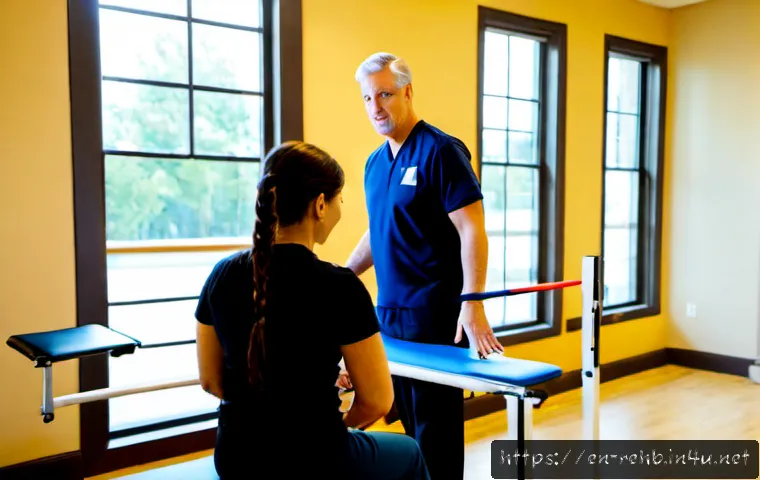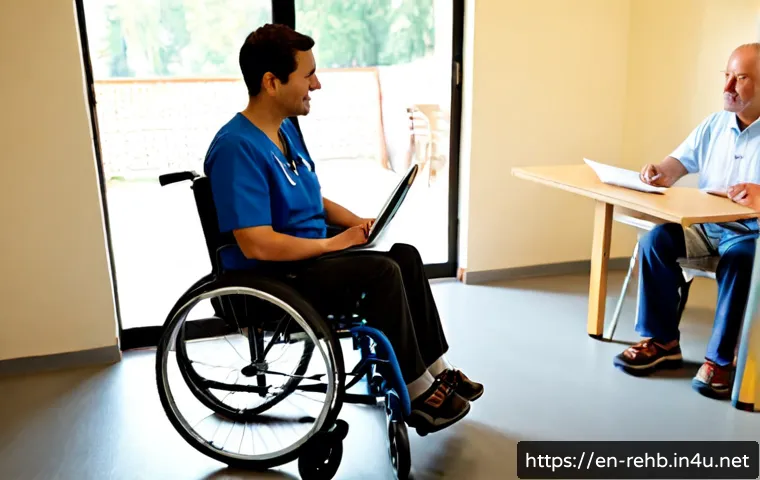
After a spinal cord injury, the most useful support path depends on the immediate need: rehabilitation and discharge planning, income support, accessible living, mobility equipment, or returning to work.
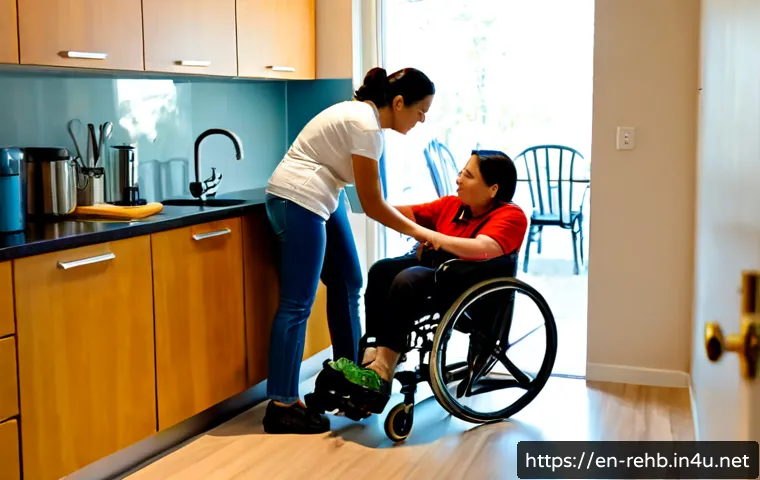
Start by separating urgent medical and safety needs from longer-term funding and accessibility decisions. Insurance, public disability benefits, vocational rehabilitation, nonprofit assistance, and private providers can each play a different role.
Coverage and eligibility can vary widely, so written verification matters before you buy equipment or sign a service agreement. Comparing rehabilitation providers, accessibility contractors, and mobility equipment options can help prevent expensive mismatches.
No single program can guarantee approval, full coverage, employment, or a particular recovery outcome.
At a Glance
- Medical rehabilitation: Check insurance coverage, prior authorization requirements, and discharge recommendations early.
- Income and daily support: Public benefits, community programs, and caregiver resources may depend on individual and local eligibility rules.
- Accessibility and independence: Get a needs assessment and current estimates before purchasing mobility equipment or starting home modifications.
| Support pathway | Typical purpose | Key eligibility or coverage question | When a private quote may help |
|---|---|---|---|
| Public disability benefits | Income support and related services | How do work history, income, household resources, disability status, and local rules apply? | When planning for gaps that benefits may not cover |
| Insurance-funded rehabilitation | Therapy, home health care, rehabilitation, and durable medical equipment | Is prior authorization required, and is the provider or supplier covered? | When comparing non-covered services or out-of-network care |
| Nonprofit and peer support | Education, caregiver resources, community connections, or limited assistance | Is assistance available in your area and for your current need? | When a program cannot fund the full need |
| Private accessibility services | Home modifications, mobility solutions, and care coordination | Has an accessibility assessment identified the right solution? | Before selecting a contractor, lift, ramp, or equipment supplier |
What Support May Be Available After a Spinal Cord Injury
A spinal cord injury can create long-term needs across medical care, rehabilitation, transportation, housing, mobility, and employment. The clearest first step is to identify which need is most urgent rather than applying to every program at once.
Immediate priorities: medical care, rehabilitation planning, and safe discharge
Before leaving inpatient rehabilitation or another care setting, ask for a practical plan covering therapy, equipment, follow-up care, caregiver needs, and safe access at home. Safe discharge planning should account for the actual home environment, not only a general diagnosis. Confirm which therapy providers, home health services, and equipment suppliers your insurance plan recognizes.
Long-term categories: income, therapy, equipment, housing, transportation, and employment
Long-term support often comes from several sources. Public disability benefits may address income needs. Insurance may help with rehabilitation, therapy, home health care, or durable medical equipment, subject to plan rules. State vocational rehabilitation agencies may assist eligible people with employment goals, training, workplace accommodations, or assistive technology. Peer and nonprofit programs can also provide education and community connections.
Three questions to answer before applying for any program
First, what specific problem must be solved now: income, therapy, home access, equipment, transportation, or employment? Second, what documentation supports that need, such as treatment recommendations or functional assessments? Third, what is the likely out-of-pocket exposure if coverage is partial or denied?
Compare Support Pathways Before You Spend or Apply
Public benefits and disability income support
Public benefits can be important for income support, but eligibility may depend on work history, income, household resources, disability status, and local rules. Ask the program administrator which documents are needed, whether deadlines apply, and whether there is an appeals process if a request is denied. Do not assume that an approval for one service automatically qualifies a person for another.
Insurance-funded rehabilitation and durable medical equipment
Insurance coverage can vary by plan, provider network, prior-authorization rules, and the requested service or device. Before scheduling therapy or ordering a wheelchair or other mobility equipment, request written confirmation of coverage requirements. Ask whether a medical recommendation, functional assessment, supplier documentation, or prior authorization is needed. This can reduce the risk of receiving a bill for equipment assumed to be covered.
Nonprofit, peer, and community-based assistance
Community programs may offer caregiver resources, education, peer support, and sometimes limited financial assistance. These services can be especially useful when a family needs local guidance or practical experience from people facing similar access issues. They should be treated as one part of a plan, not as guaranteed funding for medical care or home upgrades.
Private rehabilitation, accessibility services, and when getting estimates makes sense
Private rehabilitation providers, care coordination services, accessibility contractors, and mobility equipment suppliers may be worth comparing when coverage is limited or timing is important. Ask for a written scope of service, current estimate, accessibility experience, and follow-up support. For home modifications, separate assessments, permits, and contractor estimates may be necessary.
Build a Practical Application and Documentation Plan
Medical records, functional assessments, and treatment recommendations
Keep a single file for medical records, treatment recommendations, therapy plans, functional assessments, and equipment-related documentation. A clear record can help when speaking with insurers, benefits counselors, rehabilitation providers, or program administrators. It also helps ensure that an equipment choice reflects functional needs rather than a generic product description.
Coverage verification, prior authorization, and written cost estimates
Ask for coverage decisions and prior-authorization requirements in writing when possible. For private services, request estimates that clearly state what is included and what may be separate. This is particularly important for accessible home modifications, where ramps, bathroom access improvements, lifts, and related work may involve more than one provider or approval step.
How to track applications, contacts, deadlines, and denials
Use a simple log with the program name, contact person, date, documents submitted, next step, and deadline. Save denial notices and coverage explanations. Do not miss appeal deadlines; an appeals process may be available for an insurance claim, disability benefit, or requested service.
Avoid Costly Mistakes With Equipment and Home Accessibility

Why a needs assessment should come before buying mobility equipment
A mobility device should fit the person’s functional needs, daily environment, transportation situation, and home access. Buying first and assessing later can lead to equipment that does not work with doorways, bathrooms, transfers, or vehicle access. A qualified assessment and current supplier comparison are more useful than relying on a single product listing.
Comparing ramps, lifts, bathroom modifications, and vehicle-access options
Accessibility upgrades should be compared by the barrier they solve. A ramp may address one entry point, while a lift, bathroom modification, or vehicle-access option may address a different daily challenge. Ask whether permits, structural conditions, maintenance, or separate installation work may apply. Local contractor estimates are necessary because pricing and requirements vary.
Questions to ask contractors, suppliers, and insurers
Ask: “What accessibility need does this solution address?” “What is included in the estimate?” “What approvals are required?” “What documentation does the insurer need?” and “What support is available after installation or delivery?” These questions help compare an accessibility contractor, mobility equipment supplier, or rehabilitation provider on more than price alone.
Choose Support Based on Your Current Situation
If you are preparing to leave inpatient rehabilitation
Focus on discharge safety, follow-up rehabilitation, equipment needs, caregiver planning, and home access. Confirm coverage and provider requirements before the discharge date whenever possible.
If you need income or caregiver support at home
Review public disability benefit options, insurance-covered home health care where applicable, and local nonprofit or peer resources. Keep records of functional needs and caregiver responsibilities for discussions with qualified benefits counselors or program administrators.
If you want to return to work, school, or independent travel
State vocational rehabilitation agencies may help eligible people explore training, employment goals, workplace accommodations, and assistive technology. Consider transportation and accessibility barriers early, since a job or school plan may depend on reliable travel and appropriate equipment.
Selection Criteria and Comparison Summary
Choose the option that matches the current need, not simply the first available service. Compare eligibility rules, likely out-of-pocket cost, wait time, accessibility expertise, required approvals, and follow-up support. For rehabilitation providers, ask how they address functional goals and equipment coordination. For contractors, compare the assessment process, scope of work, permits, and written estimates. For mobility equipment, compare fit, documentation requirements, supplier support, and insurance process. For care coordination services, clarify exactly what planning and communication support is included. Review official details and current terms on the relevant provider, insurer, or program page before enrolling, purchasing, or signing.
Final Thoughts
Support after a spinal cord injury is often a combination of rehabilitation, benefits, accessibility planning, and community support. Start with safety and medical recommendations, then build a written plan for income, equipment, housing, and employment needs. Careful comparison can reduce avoidable delays and unexpected costs. When a decision affects medical care or benefits, confirm it directly with qualified clinicians, insurers, benefits counselors, or program administrators.
Useful Information to Know
Keep written records: Coverage calls and verbal promises can be difficult to verify later. Request current estimates: Equipment and home modification costs require local quotes. Ask about appeals: A denial does not always end the process. Check accessibility expertise: General service experience is not the same as spinal cord injury accessibility experience.
Important Notes
Eligibility, waiting periods, benefit amounts, covered services, and local program availability vary by individual circumstances, insurer, state, and program. This information is for planning and comparison, not medical, legal, or benefits advice. No support pathway can guarantee approval, complete cost coverage, employment placement, or a specific recovery outcome.
Frequently Asked Questions
Q1. What programs can help pay for rehabilitation after a spinal cord injury?
A1. Possible sources include health insurance, public disability-related programs, community assistance, nonprofit support, and private rehabilitation services. The right option depends on plan coverage, eligibility rules, treatment recommendations, and local availability. Confirm requirements directly with the insurer or program administrator.
Q2. Does insurance usually cover wheelchairs, home modifications, and other accessibility equipment?
A2. Coverage can vary by insurance plan and may involve provider networks, prior authorization, medical documentation, and supplier requirements. Durable medical equipment may be handled differently from home modifications. Request written coverage information before ordering equipment or beginning work.
Q3. How can a spinal cord injury patient find trustworthy rehabilitation and support services?
A3. Compare providers based on accessibility expertise, documentation practices, communication, follow-up support, insurance participation, and the ability to address the person’s actual functional needs. Peer and nonprofit resources may also help identify local services, but final eligibility and coverage should be verified with the relevant provider or program.