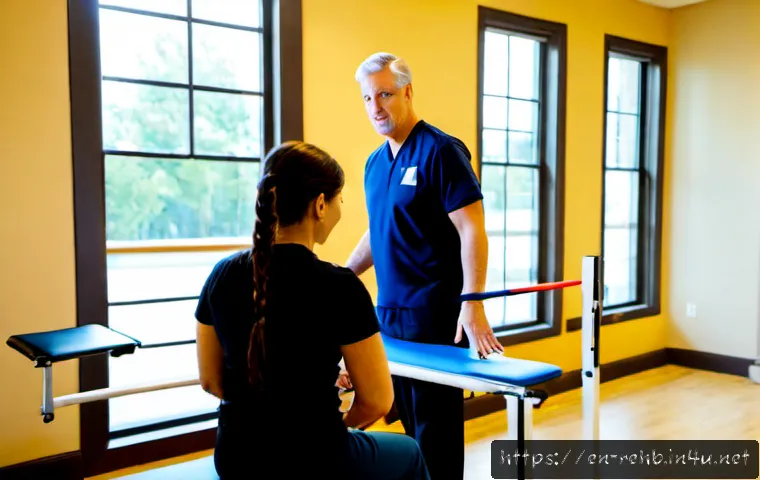
Navigating the road to recovery can be challenging, especially when unexpected side effects emerge during rehabilitation. With recent advances in personalized therapy and pain management, understanding how to effectively handle these hurdles is more important than ever.

Whether you’re a patient, caregiver, or healthcare professional, mastering side effects management is key to speeding up recovery while ensuring safety.
In this post, I’ll share insights drawn from real experiences and the latest trends to help you turn setbacks into stepping stones. Let’s dive into strategies that make your rehabilitation journey smoother and more successful.
Recognizing and Responding to Common Rehabilitation Side Effects
Understanding Physical Discomfort and Its Signals
When starting rehabilitation exercises, it’s normal to experience some degree of soreness or fatigue. However, distinguishing between expected discomfort and warning signs is crucial.
For instance, sharp pain, swelling, or numbness may indicate overexertion or injury. From my own recovery journey, I learned that paying attention to these signals early helped me avoid setbacks.
If you notice persistent or worsening pain, it’s essential to pause and consult with your therapist. Ignoring these signs can prolong recovery or cause new complications.
Managing Fatigue Without Compromising Progress
Fatigue during rehab is a tricky balance. Pushing too hard can lead to exhaustion, while being too cautious might slow your gains. I found that breaking exercises into shorter, manageable sessions spaced throughout the day made a huge difference.
Also, ensuring proper hydration and nutrition gave me more energy to complete my routines. Communicating openly with your care team about your energy levels allows adjustments that prevent burnout while keeping progress steady.
Recognizing Emotional and Psychological Responses
Rehabilitation isn’t just physical; it can take a toll emotionally. Feelings of frustration, anxiety, or even depression are common but often overlooked side effects.
During my rehab, I sometimes felt overwhelmed, especially when progress stalled. Seeking support through counseling or peer groups can provide valuable coping strategies.
Mindfulness and relaxation techniques also helped me stay focused and motivated, turning emotional challenges into manageable parts of recovery.
Personalized Approaches to Pain Management
Exploring Non-Pharmacological Pain Relief Options
While medications can be helpful, I found that incorporating alternative pain management methods enriched my rehabilitation experience. Techniques such as heat and cold therapy, gentle massage, and acupuncture provided relief without side effects.
Using these methods alongside traditional treatments often reduced my reliance on painkillers. Discussing these options with your healthcare provider ensures they fit your specific condition and recovery plan.
Optimizing Medication Use for Safety and Effectiveness
Medications prescribed during rehabilitation should always be used carefully. I learned the hard way that taking pain relievers exactly as directed prevents unwanted side effects like dizziness or gastrointestinal issues.
Keeping a medication diary helped me track effectiveness and any adverse reactions, which I shared with my doctor to fine-tune dosages. Never hesitate to report side effects promptly to avoid complications.
Incorporating Movement and Rest Cycles
Balancing activity and rest is key to managing pain. In my rehab, alternating between exercise and rest periods prevented flare-ups. Understanding your body’s limits and adapting routines accordingly helped me stay consistent without overdoing it.
This balance also encourages healing by reducing inflammation and improving circulation, ultimately enhancing pain control naturally.
Strategies to Prevent and Treat Swelling During Rehabilitation
Recognizing Early Signs of Edema
Swelling can signal inflammation or fluid retention, which might hinder your progress. I noticed that swollen joints became stiff and painful, making movement difficult.
Early detection through daily monitoring of affected areas is essential. If swelling increases or becomes persistent, it’s a clear sign to modify activity levels and seek medical advice to prevent complications.
Effective Use of Compression and Elevation
Using compression garments and elevating limbs proved highly effective in managing my swelling. Compression helps improve blood flow and reduce fluid buildup, while elevation uses gravity to assist drainage.
Combining these methods after therapy sessions or during rest periods sped up recovery significantly. It’s important to use properly fitted compression gear to avoid restricting circulation.
Hydration and Dietary Considerations
Staying well-hydrated might seem counterintuitive when dealing with swelling, but it actually helps flush excess fluids from the body. I also adjusted my diet by reducing salt intake, which can exacerbate fluid retention.
Including foods rich in antioxidants and anti-inflammatory properties supported healing. Consulting a nutritionist during rehab can tailor dietary plans to your specific needs.
Adapting Rehabilitation Plans to Individual Needs
Collaborative Goal Setting with Your Care Team
One of the most impactful steps I took was actively participating in setting rehabilitation goals. This collaboration ensured that exercises were realistic and aligned with my lifestyle and recovery pace.
Regularly reviewing progress allowed adjustments that kept me motivated without risking injury. Open communication fosters a sense of control and partnership, which is vital for successful outcomes.
Incorporating Technology for Personalized Feedback
Wearable devices and mobile apps have transformed rehabilitation by providing real-time feedback on movement quality and intensity. I used a fitness tracker to monitor my activity levels and ensure I stayed within safe limits.
These tools helped me understand my body’s responses and make informed decisions about when to push harder or ease off. Technology can empower patients to take a more active role in their recovery.
Flexibility in Scheduling and Exercise Selection
Rigid rehab schedules often lead to frustration or non-compliance. I found that having flexibility to choose the timing and type of exercises based on daily energy and pain levels improved consistency.
Sometimes swapping a high-impact activity for gentle stretching kept me on track without aggravating symptoms. This adaptability respects personal rhythms and promotes long-term adherence.
Supporting Mental Health Throughout Recovery
Addressing Anxiety and Fear of Reinjury
Fear of getting hurt again can be a major barrier during rehab. I remember hesitating to fully engage in exercises, worried I might worsen my condition.
Working with a therapist to gradually confront these fears helped rebuild my confidence. Educational sessions about injury mechanisms and safe movement techniques also eased anxiety.
Mental readiness is just as important as physical preparedness.
Building a Support Network
Having a strong support system made a world of difference in my rehabilitation. Family, friends, and fellow patients offered encouragement and practical help.
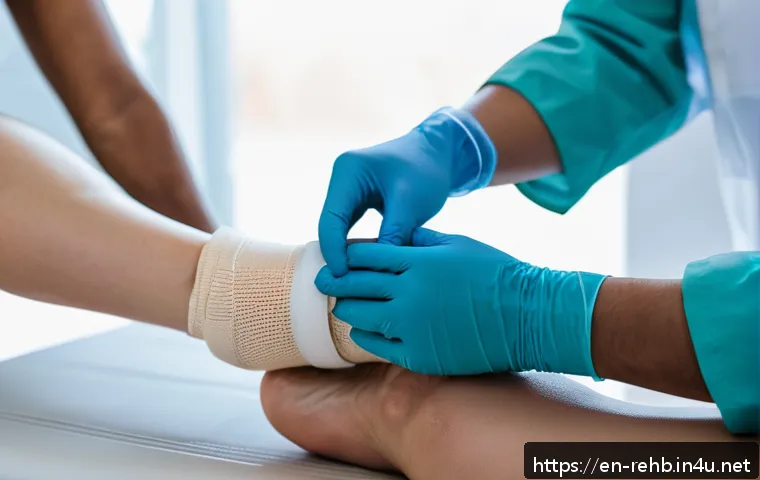
Joining support groups, whether in person or online, connected me with people who understood my challenges. This sense of community combats isolation and provides motivation during tough phases.
Practicing Stress-Reduction Techniques
Incorporating mindfulness, deep breathing, and meditation into my routine helped manage stress that can otherwise impede healing. These practices promote relaxation, improve sleep quality, and reduce pain perception.
Starting with just a few minutes a day made a noticeable impact on my overall well-being and resilience throughout the recovery process.
Monitoring Progress and Adjusting Interventions
Keeping Detailed Recovery Journals
Documenting daily symptoms, exercise performance, and emotional state provided valuable insights into my recovery patterns. This record helped identify triggers for setbacks and successes to build upon.
Sharing these journals with my healthcare team enabled personalized adjustments and enhanced accountability.
Regular Assessment Through Objective Measures
Periodic evaluations using strength tests, range of motion measurements, and functional assessments ensured that rehabilitation remained on track. I experienced firsthand how these checkpoints helped catch issues early and celebrate milestones.
Objective data supports informed decision-making and boosts motivation by highlighting progress.
Being Open to Modifying Treatment Plans
Recovery is rarely a straight path; setbacks or plateaus are common. I learned that staying flexible and willing to try different therapies or change exercise intensity prevented frustration and injury.
Trusting your care team’s expertise while voicing your experiences creates a dynamic process that adapts to your evolving needs.
| Side Effect | Common Causes | Management Strategies | When to Seek Help |
|---|---|---|---|
| Pain | Overuse, improper technique, inflammation | Rest, ice/heat therapy, medication adherence, alternative therapies | Persistent, sharp, or worsening pain |
| Fatigue | Excessive exercise, poor nutrition, inadequate rest | Balanced exercise/rest cycles, hydration, nutrition | Extreme tiredness affecting daily function |
| Swelling | Injury, fluid retention, inflammation | Compression, elevation, hydration, dietary adjustments | Rapid or severe swelling, redness, warmth |
| Emotional Distress | Recovery stress, fear, isolation | Support groups, counseling, mindfulness | Persistent anxiety or depression symptoms |
Leveraging Nutrition to Support Healing
Key Nutrients That Aid Tissue Repair
During my rehabilitation, focusing on a nutrient-rich diet accelerated healing noticeably. Protein is fundamental for muscle repair, while vitamins C and E play crucial roles in reducing oxidative stress and promoting collagen synthesis.
Including foods like lean meats, citrus fruits, nuts, and leafy greens provided a solid foundation. Supplements can help when dietary intake falls short but should be discussed with your healthcare provider.
Anti-Inflammatory Foods and Their Role
Incorporating anti-inflammatory foods into my meals helped manage swelling and discomfort. Ingredients such as turmeric, ginger, fatty fish rich in omega-3s, and berries contributed to lowering systemic inflammation.
I noticed that meals rich in these components often correlated with better mobility and less pain the following day.
Hydration’s Impact Beyond Fluid Balance
Drinking enough water wasn’t just about quenching thirst—it influenced joint lubrication and toxin elimination. I found that staying hydrated helped maintain my energy during workouts and reduced muscle cramps.
Setting reminders to drink water throughout the day ensured I met my hydration goals consistently.
Incorporating Restorative Sleep Practices
Sleep’s Critical Role in Recovery
Quality sleep is where much of the body’s healing magic happens. I discovered that inadequate sleep prolonged soreness and slowed progress. Establishing a regular bedtime routine, minimizing screen time before bed, and creating a comfortable sleep environment improved my rest dramatically.
Techniques to Enhance Sleep Quality
Practices like progressive muscle relaxation, guided imagery, and limiting caffeine intake late in the day contributed to deeper, more restorative sleep.
I also experimented with white noise and blackout curtains to reduce disturbances, which made waking up refreshed easier.
Addressing Sleep Disruptions Related to Pain
Pain often disrupts sleep cycles, creating a vicious cycle of fatigue and discomfort. Using supportive pillows, adjusting sleeping positions, and consulting a pain specialist about nighttime pain management helped me break this cycle.
Prioritizing sleep hygiene alongside pain control proved essential for steady rehabilitation gains.
In Conclusion
Rehabilitation is a multifaceted journey that requires attention to both physical and emotional signals. By recognizing side effects early and tailoring your approach, you can enhance recovery while minimizing setbacks. Remember, open communication with your care team and self-awareness are key to navigating this process successfully. With patience and persistence, progress is not only possible but sustainable.
Useful Information to Keep in Mind
1. Consistently monitor your body’s responses to avoid pushing beyond safe limits.
2. Incorporate a balanced mix of rest and activity to maintain steady progress.
3. Engage in mental health support strategies to address emotional challenges during recovery.
4. Use nutrition and hydration as foundational tools to support tissue repair and reduce inflammation.
5. Utilize technology and detailed tracking to personalize and adjust your rehabilitation plan effectively.
Key Takeaways for Effective Rehabilitation
Successful rehabilitation depends on a holistic approach that balances physical effort with emotional well-being. Early recognition of warning signs such as persistent pain, swelling, or fatigue allows timely intervention. Personalized goal setting and flexible scheduling promote adherence and motivation. Embracing supportive techniques—including nutrition, rest, and mental health care—ensures a more complete and resilient recovery experience.
Frequently Asked Questions (FAQ) 📖
Q: uestions about Managing Side Effects During RehabilitationQ1: What are the most common side effects experienced during rehabilitation, and how can they be managed effectively?
A: During rehabilitation, patients often face side effects such as pain flare-ups, fatigue, muscle soreness, and sometimes emotional challenges like anxiety or frustration.
From my experience and conversations with healthcare professionals, managing these starts with open communication—reporting any new or worsening symptoms promptly.
Personalized therapy plans, including gradual activity pacing and incorporating relaxation techniques like deep breathing or meditation, have shown great effectiveness.
Additionally, pain management strategies such as targeted physical therapy, appropriate medication adjustments, and sometimes alternative treatments like acupuncture can make a significant difference in easing discomfort while supporting recovery.
Q: How can caregivers best support someone dealing with side effects during their recovery process?
A: Caregivers play a crucial role in recognizing subtle changes and providing emotional encouragement. Based on what I’ve observed, the best approach is a combination of patience, active listening, and helping maintain a balanced routine that includes rest, nutrition, and light activity as advised by healthcare providers.
Educating themselves about potential side effects helps caregivers anticipate challenges and avoid unnecessary worry. Also, encouraging patients to express their feelings and frustrations openly can prevent emotional burnout.
Small gestures—like assisting with daily tasks or simply being present—often boost morale tremendously, accelerating the healing journey.
Q: When should a healthcare professional be consulted about side effects during rehabilitation?
A: It’s essential to seek medical advice whenever side effects interfere significantly with daily functioning or worsen unexpectedly. For example, if pain intensifies despite medication, new neurological symptoms appear, or emotional distress becomes overwhelming, these are red flags requiring prompt attention.
In my experience, early intervention often prevents complications and helps adjust the rehabilitation plan more effectively. Don’t hesitate to contact your healthcare team if you feel uncertain or if something doesn’t feel right—timely communication is a cornerstone of safe and successful recovery.