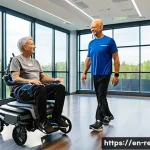
Recovering from musculoskeletal injuries can be a challenging journey, but success stories prove that with the right approach, it’s absolutely achievable.

Whether it’s regaining mobility after surgery or overcoming chronic pain, effective rehabilitation transforms lives in remarkable ways. I’ve seen firsthand how tailored therapy plans and patient dedication can lead to impressive improvements.
These stories not only inspire hope but also highlight the importance of expert guidance and perseverance. Let’s dive deeper and explore what makes musculoskeletal rehabilitation truly successful!
Personalized Rehabilitation Plans: The Key to Lasting Recovery
Understanding Individual Needs and Goals
Every patient walks into rehabilitation with a unique story, and the first step toward success is truly grasping their specific challenges and aspirations.
When I’ve worked with clients, the moments where we sit down and discuss their daily routines, pain triggers, and personal goals have been game changers.
It’s not just about generic exercises; it’s about crafting a plan that fits their lifestyle and motivates them to keep going. For example, a weekend warrior who loves hiking will have a very different approach than someone whose job requires sitting all day.
This tailored strategy makes the whole process feel more relevant and less like a chore.
Adapting Therapy Based on Progress
One thing I’ve noticed repeatedly is that sticking rigidly to a plan without adjustments can stall recovery. Effective rehabilitation requires continuous monitoring and flexibility.
When a patient reports increased strength or less pain, the therapy should evolve to challenge them further. Conversely, if setbacks occur, therapists need to dial back and focus on gentle recovery steps.
This dynamic adjustment not only prevents frustration but also keeps the patient mentally engaged. I’ve seen clients thrive when their therapists communicate openly and tweak exercises based on real-time feedback.
Incorporating Technology and Tools
Modern rehabilitation isn’t just about physical effort; technology plays a huge role. From wearable devices that track movement to apps reminding patients to perform exercises, these tools offer invaluable support.
I’ve personally found that patients who use such technology feel more accountable and motivated. For instance, a patient recovering from a knee injury used a motion-sensing device to ensure proper joint angles during exercises, speeding up their recovery.
Integrating technology helps bridge the gap between clinic visits and home care, making the rehab process more seamless and effective.
The Role of Mental Resilience in Overcoming Physical Barriers
Building a Positive Mindset Amid Challenges
Recovering from musculoskeletal injuries often feels like an emotional rollercoaster. I remember one patient who shared how frustrating it was to face daily pain and slow progress.
What made a huge difference was shifting focus from “I can’t” to “I’m getting stronger every day.” This mental shift, while simple in theory, takes real effort and sometimes professional psychological support.
Encouraging patients to celebrate small wins and visualize their recovery helps maintain motivation through tough phases.
Strategies to Combat Fear and Anxiety
Fear of re-injury or chronic pain can be paralyzing, causing some people to avoid necessary movements or exercises. I’ve observed that guided exposure therapy—gradually introducing movements that cause anxiety—helps patients regain confidence.
Relaxation techniques like deep breathing or mindfulness meditation also prove effective in reducing anxiety related to physical activity. Patients who embrace these mental health strategies alongside physical rehab tend to report better outcomes and less pain catastrophizing.
Support Networks and Their Impact
Having a strong support system can be a game changer. Family, friends, and even fellow patients provide encouragement and accountability. I’ve seen patients who felt isolated during recovery regain momentum simply by joining support groups or sharing their experiences online.
These connections validate their struggles and remind them they’re not alone. Sometimes, just knowing someone else understands the journey can be the boost needed to push through plateaus.
Effective Pain Management Techniques to Enhance Rehabilitation
Combining Medication with Physical Therapies
Managing pain is critical for active participation in rehab. From my experience, a balanced approach involving both pharmacological interventions and physical therapies yields the best results.
For instance, short-term use of anti-inflammatory medications can reduce swelling enough to allow gentle movement, while modalities like heat therapy and ultrasound help soothe muscle stiffness.
This combination allows patients to engage more fully in exercises without being overwhelmed by discomfort.
Non-Pharmacological Pain Relief Methods
Not everyone wants to rely on medications, and luckily, there are effective alternatives. Techniques such as transcutaneous electrical nerve stimulation (TENS), acupuncture, and manual therapy often provide significant relief.
I’ve personally witnessed patients regain function faster when they incorporated these methods alongside their exercise routines. Additionally, educating patients about pacing activities and recognizing pain signals helps them avoid overexertion that could worsen symptoms.
Importance of Patient Education on Pain
Understanding the difference between “good” pain from muscle work and “bad” pain signaling injury is vital. I make it a point to spend time with patients explaining how some discomfort is expected and even necessary for healing, while sharp or worsening pain should be reported immediately.
This knowledge empowers patients to push themselves appropriately without fear, ultimately speeding up their recovery and reducing unnecessary setbacks.
Nutrition and Lifestyle Adjustments Supporting Recovery
Role of Anti-Inflammatory Diets
What many overlook is how much diet impacts healing. I’ve noticed that patients who adopt anti-inflammatory diets—rich in fruits, vegetables, omega-3 fatty acids, and whole grains—tend to experience less swelling and faster tissue repair.
One client, recovering from a rotator cuff injury, credited her improved energy levels and reduced joint pain to switching to a Mediterranean-style diet.
Proper nutrition fuels the body’s repair mechanisms and complements physical therapy efforts beautifully.
Sleep and Recovery Synergy
Sleep is often underestimated in rehab success stories. In my interactions, patients who prioritize quality sleep report better pain management and enhanced muscle recovery.
Deep sleep stages promote the release of growth hormones and reduce inflammation, which are essential during rehabilitation. Simple lifestyle tweaks like establishing a consistent bedtime routine and limiting screen time before sleep can make a world of difference in recovery speed.
Hydration and Its Effects on Musculoskeletal Health
Staying well-hydrated is another critical factor that I emphasize. Dehydration can lead to muscle cramps, joint stiffness, and slower healing. Encouraging patients to drink adequate water throughout the day supports nutrient transport and waste removal from tissues.
I’ve seen that those who maintain good hydration levels often report feeling more flexible and less fatigued during therapy sessions.

Tracking Progress: Tools and Techniques for Motivation
Using Objective Measures to Monitor Improvement
Keeping track of progress is essential not just for therapists but for patients’ morale. I recommend tools like goniometers to measure joint angles, strength tests, and timed functional tasks.
These objective markers provide clear evidence of improvement, which can be incredibly motivating. For example, one patient excitedly shared how their knee flexion improved by 20 degrees over six weeks, fueling their commitment to therapy.
Patient-Reported Outcome Measures (PROMs)
Beyond physical metrics, asking patients about their pain levels, function, and quality of life offers valuable insight. PROMs capture the subjective side of recovery that numbers alone can’t.
I’ve found that regularly discussing these outcomes helps identify hidden issues and tailor therapy accordingly. Patients appreciate being heard and seeing their feedback integrated into their care plan.
Visual Progress Charts and Journals
Encouraging patients to keep a rehab journal or use apps that chart their progress can turn recovery into a personal success story. Visual representation of small daily or weekly gains helps maintain enthusiasm, especially when physical improvements feel slow.
I’ve had clients tell me that seeing their pain decrease on a graph or noting increased walking distances in a journal made a huge psychological difference during tough weeks.
Common Challenges and How to Overcome Them
Dealing with Plateaus and Setbacks
Plateaus are an inevitable part of any rehabilitation journey, and they can be incredibly frustrating. I often remind patients that progress isn’t always linear—sometimes the body needs time to consolidate gains.
When plateaus hit, mixing up exercises or focusing on different muscle groups can reignite progress. I’ve also seen great success in taking short breaks to allow mental and physical rest before pushing forward again.
Addressing Compliance Issues
Sticking to a rehab program can be tough, especially when results aren’t immediate. I find that breaking down long-term goals into smaller, achievable milestones helps patients stay on track.
Additionally, integrating exercises into daily routines—like stretching during TV commercials—reduces the burden. Open communication about barriers, whether time, pain, or motivation, allows therapists to adapt plans for better compliance.
Managing Expectations Realistically
One challenge I frequently encounter is patients expecting instant recovery. Setting realistic timelines and educating about the healing process eases disappointment.
I use analogies like “healing is like planting a tree—it takes time to grow strong roots before branches flourish.” This mindset shift encourages patience and persistence, which are crucial for long-term success.
Successful Rehabilitation Techniques: What Works Best
Progressive Resistance Training
Building strength gradually through resistance training is foundational in musculoskeletal rehab. I’ve seen clients regain not only muscle power but also joint stability and confidence through carefully increased weights or resistance bands.
This approach helps prevent re-injury and supports return to daily activities or sports. Importantly, progression must be patient-specific to avoid overloading vulnerable tissues.
Neuromuscular Re-education
Re-learning proper movement patterns after injury is critical. Techniques like balance training, proprioceptive exercises, and functional drills retrain the nervous system to coordinate muscles effectively.
I’ve witnessed dramatic improvements in patients’ gait and posture by focusing on these elements, which often get overlooked. This neuromuscular focus reduces compensatory movements that can cause secondary issues.
Manual Therapy and Hands-On Techniques
Hands-on interventions such as massage, joint mobilizations, and myofascial release complement exercise-based rehab wonderfully. These methods alleviate pain, improve circulation, and increase tissue flexibility.
From my experience, combining manual therapy with active rehab exercises creates a synergistic effect, accelerating recovery and enhancing overall patient satisfaction.
| Rehabilitation Component | Purpose | Example Techniques | Benefits |
|---|---|---|---|
| Personalized Plans | Tailor rehab to individual needs | Goal setting, lifestyle assessment | Higher motivation, better adherence |
| Pain Management | Reduce discomfort to enable therapy | Medications, TENS, heat therapy | Improved participation, less anxiety |
| Mental Resilience | Support emotional well-being | Mindfulness, support groups | Increased perseverance, reduced fear |
| Nutrition & Lifestyle | Enhance healing environment | Anti-inflammatory diet, hydration | Faster tissue repair, better energy |
| Progress Tracking | Monitor and motivate progress | Goniometers, PROMs, journals | Clear feedback, sustained engagement |
| Rehabilitation Techniques | Restore function and strength | Resistance training, manual therapy | Improved mobility, reduced re-injury risk |
In Conclusion
Personalized rehabilitation is the cornerstone of effective and lasting recovery. By addressing individual needs, adapting therapy, and supporting mental resilience, patients can overcome physical challenges more successfully. Combining pain management, nutrition, and progress tracking ensures a comprehensive approach. Ultimately, rehabilitation is a dynamic journey that thrives on flexibility, motivation, and tailored care.
Useful Information to Keep in Mind
1. Tailoring rehab plans to each person’s lifestyle and goals boosts motivation and adherence, making recovery feel more relevant and achievable.
2. Flexibility in therapy, adjusting exercises based on progress or setbacks, prevents frustration and keeps patients engaged throughout their journey.
3. Mental resilience plays a huge role; strategies like mindfulness, support groups, and positive mindset shifts help patients push through tough phases.
4. Nutrition, hydration, and quality sleep are powerful allies in speeding up tissue repair and enhancing overall recovery outcomes.
5. Tracking progress through objective measures and patient feedback not only motivates but also guides therapy adjustments for better results.
Key Takeaways
Successful rehabilitation depends on a personalized, adaptable approach that considers both physical and emotional aspects of healing. Integrating modern technology and evidence-based pain management enhances therapy effectiveness. Encouraging patients to maintain realistic expectations and stay connected with support networks strengthens commitment. Nutrition and lifestyle adjustments complement physical efforts, while consistent progress monitoring fuels motivation and long-term success.
Frequently Asked Questions (FAQ) 📖
Q: How long does it typically take to recover from a musculoskeletal injury?
A: Recovery time varies widely depending on the injury’s severity, location, and the individual’s overall health. Minor strains might heal within a few weeks, while more serious injuries, like ligament tears or fractures, could take several months.
From my experience working with patients, those who stick diligently to their rehab plans often see faster and more complete recoveries. It’s important to remember that rushing the process can lead to setbacks, so patience and consistency are key.
Q: What role does physical therapy play in successful musculoskeletal rehabilitation?
A: Physical therapy is often the cornerstone of effective recovery. A personalized therapy plan helps restore strength, flexibility, and function while minimizing pain.
I’ve noticed that patients who actively engage with their therapists and follow prescribed exercises tend to regain mobility much more quickly. Therapists also provide crucial education on body mechanics to prevent future injuries, making their guidance invaluable throughout the healing journey.
Q: Can chronic pain from musculoskeletal injuries be fully resolved?
A: Chronic pain can be tough to overcome, but it’s not impossible. Many people I’ve worked with have significantly reduced or even eliminated their pain through a combination of targeted therapy, lifestyle adjustments, and sometimes medical interventions.
The key is addressing not just the physical damage but also factors like inflammation and muscle imbalances. Persistent effort and expert support often lead to meaningful improvements, even when the pain feels overwhelming at first.