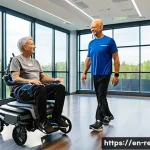
Lately, there’s been a lot of buzz around recovery options after injuries or surgeries, but many still confuse rehabilitation therapy with physical therapy.

Understanding the distinction is more important than ever, especially as personalized care becomes a priority in healthcare. Whether you’re exploring treatment plans or supporting a loved one, knowing these differences can shape better decisions.
Let’s dive into what sets these two approaches apart and why it matters for your healing journey. Stick around—you’ll find insights that could make all the difference in your recovery.
Defining the Scope: What Each Therapy Actually Covers
Understanding Rehabilitation Therapy Beyond Movement
Rehabilitation therapy is often a comprehensive process aimed at restoring a person’s overall function after an injury, surgery, or illness. It’s not just about moving better; it’s about regaining independence in daily life.
For example, someone recovering from a stroke may undergo rehabilitation that includes physical, occupational, and speech therapy, depending on their needs.
This holistic approach means that rehabilitation often addresses cognitive, emotional, and social aspects alongside physical healing. It’s designed to help patients adapt to changes, relearn skills, and ultimately improve quality of life.
Physical Therapy Focuses on Movement and Pain Relief
Physical therapy zeroes in specifically on improving mobility, strength, and managing pain. When I’ve personally gone through physical therapy for a shoulder injury, the sessions were focused on targeted exercises, manual therapy, and modalities like ultrasound or electrical stimulation to reduce inflammation.
PTs work on restoring function to muscles and joints, often tailoring programs to specific injuries or conditions. Unlike rehab therapy, physical therapy is generally more narrowly focused on the physical body and its mechanics rather than broader lifestyle or cognitive adjustments.
How They Intersect and Diverge in Practice
While rehabilitation therapy can include physical therapy as a component, it’s important to note that not every rehab plan involves PT. Rehab is more multidisciplinary, often involving a team of specialists who coordinate care.
Physical therapy might be a standalone treatment or part of a rehab program. This distinction matters because it influences treatment goals, duration, and the types of professionals you’ll interact with.
Knowing this can help patients set realistic expectations and choose the right approach based on their specific condition.
Typical Conditions and Situations for Each Therapy
When Rehabilitation Therapy is the Go-To Choice
Rehabilitation therapy is often recommended for complex cases that require a multi-faceted approach. For instance, after major surgeries like joint replacements or neurological events such as traumatic brain injury, rehab therapy is essential.
It’s designed to address a variety of impairments simultaneously — from muscle weakness to speech difficulties and emotional adjustment. Patients with chronic illnesses like multiple sclerosis or Parkinson’s disease also benefit from rehabilitation programs that adapt over time to changing needs.
Physical Therapy’s Role in Injury and Post-Operative Care
Physical therapy shines in conditions that primarily affect musculoskeletal function. Think sprains, strains, fractures, or post-operative recovery for things like ACL repair or rotator cuff surgery.
PT helps reduce pain, restore range of motion, and prevent further injury through guided exercise and manual techniques. I’ve noticed that physical therapy is often the first line of treatment for athletes returning to sport, as well as people recovering from common injuries that don’t require extensive multidisciplinary care.
Choosing Based on Your Recovery Goals
If your main concern is regaining physical function or alleviating pain, physical therapy might be sufficient. However, if your injury or illness affects multiple aspects of your life, including cognitive or emotional challenges, rehabilitation therapy offers a broader support system.
I’ve found that discussing your goals openly with your healthcare provider helps clarify which path suits you best, ensuring you get the right care without unnecessary treatments.
Duration and Intensity: What to Expect from Each Program
Rehabilitation Therapy: A Gradual and Adaptive Process
Rehabilitation therapy often spans weeks to months, depending on the complexity of the condition. It’s a dynamic process, where progress is continuously evaluated and treatment plans adjusted.
For example, someone recovering from a stroke may spend months in rehab, gradually shifting focus from basic motor skills to more complex activities like cooking or driving.
The intensity can vary, with sessions ranging from daily to a few times a week, always tailored to the patient’s tolerance and progress.
Physical Therapy’s Structured but Variable Timeline
Physical therapy programs can be shorter or longer, but they tend to have a more structured timeline focused on measurable physical milestones. In my experience, many PT treatments last anywhere from 4 to 12 weeks, depending on injury severity.
The sessions usually involve repetitive exercises, manual therapy, and education about injury prevention. The intensity can ramp up as the patient regains strength and mobility, often culminating in functional training specific to their lifestyle or sport.
Balancing Commitment and Recovery Efficiency
Understanding the expected duration and commitment helps prevent frustration. Rehab therapy’s longer timeline can sometimes feel overwhelming, but it’s often necessary for complex recoveries.
Physical therapy’s focused timeline can be more motivating for those eager to return to normal activities quickly. I recommend keeping a recovery journal to track improvements and setbacks — it’s a great way to stay engaged and communicate effectively with your care team.
Who Provides the Care? Roles and Expertise Explained
The Multidisciplinary Team Behind Rehabilitation
Rehabilitation therapy usually involves a team of professionals: physical therapists, occupational therapists, speech-language pathologists, psychologists, and sometimes social workers.
This diversity ensures all facets of recovery are addressed. For example, an occupational therapist might teach adaptive techniques for daily living, while a speech therapist works on communication skills.
This team-based approach fosters a supportive environment that addresses physical, mental, and emotional well-being comprehensively.
Physical Therapists: Specialists in Movement and Function
Physical therapists are highly trained experts focusing on the musculoskeletal system. They evaluate movement impairments, develop exercise plans, and use hands-on techniques to reduce pain and improve function.

I’ve found PTs to be excellent educators — they not only guide exercises but also teach proper body mechanics to prevent future injuries. Their expertise is critical for anyone dealing with joint pain, muscle weakness, or balance problems.
Collaboration and Communication Between Providers
In many cases, rehab therapists and physical therapists collaborate closely. For example, during stroke recovery, a physical therapist might focus on walking and balance, while the rehab team ensures the patient’s home environment is safe and accessible.
Effective communication between these professionals is key to seamless care. Patients benefit when their providers share progress updates and coordinate goals, preventing duplicated efforts or contradictory advice.
Insurance and Cost Considerations
Coverage Variability Based on Therapy Type
Insurance plans often distinguish between rehabilitation therapy and physical therapy, which can affect coverage and out-of-pocket costs. Physical therapy is frequently covered under standard health plans with set limits on session numbers or duration.
Rehabilitation therapy, being more comprehensive, may require prior authorization or be subject to stricter caps. I’ve encountered situations where insurance required detailed documentation to justify rehab services, especially when multiple disciplines are involved.
Out-of-Pocket Expenses and Financial Planning
Costs can vary widely depending on location, provider, and therapy intensity. Physical therapy sessions might range from $75 to $200 each without insurance, while multidisciplinary rehab programs can be more expensive due to their comprehensive nature.
Planning ahead and checking with your insurer about coverage specifics can save surprises. Some clinics offer payment plans or sliding scale fees, which I’ve found helpful when managing prolonged recovery periods.
Maximizing Benefits Through Documentation and Advocacy
Keeping detailed records of your treatment, progress, and any functional limitations can support insurance claims. Don’t hesitate to ask your therapist or physician for reports that explain the medical necessity of your therapy.
Being proactive and knowledgeable about your policy helps avoid denied claims and ensures you receive the care you need without undue financial stress.
Measuring Success: Outcomes and Patient Satisfaction
Tracking Progress in Rehabilitation Therapy
Success in rehabilitation therapy is often measured by improvements in independence and quality of life. This could mean returning to work, managing daily activities without assistance, or regaining communication skills.
I’ve seen patients feel empowered when they can celebrate small victories like dressing themselves or cooking a meal, which might not be immediately obvious in a physical therapy setting but are crucial for long-term recovery.
Physical Therapy Outcomes Focused on Function and Pain
Physical therapy success is generally assessed through objective measures such as increased range of motion, strength, and reduced pain levels. Functional tests like the Timed Up and Go or specific joint mobility assessments are common.
In my own rehab journey, seeing tangible improvements in strength or walking ability kept me motivated and confident in the therapy process.
Patient Experience and Emotional Impact
Both therapies have emotional components that affect satisfaction and outcomes. Rehabilitation therapy’s comprehensive support can reduce feelings of isolation and frustration by addressing psychological as well as physical needs.
Physical therapy’s hands-on, goal-oriented approach often builds patient confidence through visible progress. Personally, the encouragement and education from therapists in both fields made a huge difference in how I coped with setbacks and stayed committed to recovery.
| Aspect | Rehabilitation Therapy | Physical Therapy |
|---|---|---|
| Scope | Multidisciplinary, addresses physical, cognitive, emotional, social | Focus on physical function, pain relief, and mobility |
| Typical Conditions | Stroke, brain injury, chronic illness, post-major surgery | Muscle/joint injuries, post-op orthopedic care, sports rehab |
| Duration | Weeks to months, adaptive based on progress | Typically 4-12 weeks, structured timeline |
| Care Providers | PT, OT, speech therapists, psychologists, social workers | Physical therapists only |
| Insurance | May require authorization, possibly higher cost | Generally covered with limits on sessions |
| Outcome Focus | Independence, quality of life, holistic recovery | Strength, pain reduction, mobility improvement |
In Conclusion
Understanding the differences and overlaps between rehabilitation therapy and physical therapy is essential for making informed recovery decisions. Each offers unique benefits tailored to specific needs, whether focusing on holistic recovery or targeted physical improvements. Choosing the right approach can greatly influence your healing journey and overall well-being. Remember, collaboration between healthcare providers and clear communication are key to achieving the best outcomes.
Helpful Information to Keep in Mind
1. Rehabilitation therapy is a multidisciplinary process that supports physical, cognitive, and emotional recovery, especially after complex injuries or illnesses.
2. Physical therapy primarily targets musculoskeletal issues, focusing on restoring movement, strength, and reducing pain through structured exercise and hands-on care.
3. Insurance coverage varies; physical therapy is often more straightforward to access, while rehabilitation therapy may require authorization and could involve higher costs.
4. The duration of rehabilitation therapy is generally longer and more adaptive, while physical therapy usually follows a set timeline with specific physical milestones.
5. Open communication with your healthcare team helps tailor treatment plans to your goals, ensuring efficient and personalized care.
Key Takeaways
Both rehabilitation and physical therapies play vital roles in recovery but differ in scope, approach, and care teams. Rehabilitation therapy offers a comprehensive, team-based strategy for complex conditions, addressing multiple facets of healing. Physical therapy delivers focused, movement-centered treatment ideal for musculoskeletal injuries and pain management. Understanding these distinctions empowers patients to choose the most appropriate therapy, optimize insurance benefits, and engage actively in their recovery process for the best possible results.
Frequently Asked Questions (FAQ) 📖
Q: What is the main difference between rehabilitation therapy and physical therapy?
A: Rehabilitation therapy is a broad process focused on helping patients regain overall function after an injury or surgery, often involving multiple types of treatments like occupational therapy, speech therapy, and counseling.
Physical therapy, on the other hand, is a specialized branch within rehabilitation that zeroes in on improving movement, strength, and pain relief through targeted exercises and manual techniques.
Understanding this difference helps you choose the right approach tailored to your specific recovery needs.
Q: When should I consider rehabilitation therapy instead of just physical therapy?
A: If your recovery involves more than just physical movement—such as regaining daily living skills, cognitive functions, or managing emotional challenges after a trauma—rehabilitation therapy is the better choice.
For example, after a stroke, rehab might include speech therapy and occupational therapy alongside physical therapy. But if your issue is primarily about restoring mobility or reducing pain in muscles and joints, physical therapy alone might be sufficient.
Q: How can knowing the difference between these therapies impact my recovery?
A: Knowing the distinction empowers you to seek the most effective care and avoid delays in healing. When you understand what each therapy offers, you can communicate better with healthcare providers, set realistic goals, and actively participate in your treatment plan.
In my experience, patients who clearly differentiate between rehab and physical therapy tend to stay more motivated and see quicker, more comprehensive improvements.