Stroke recovery has become a hot topic lately as more people seek clarity on what to expect during rehabilitation. Understanding how long stroke rehab truly takes can feel overwhelming, especially when every case is unique.
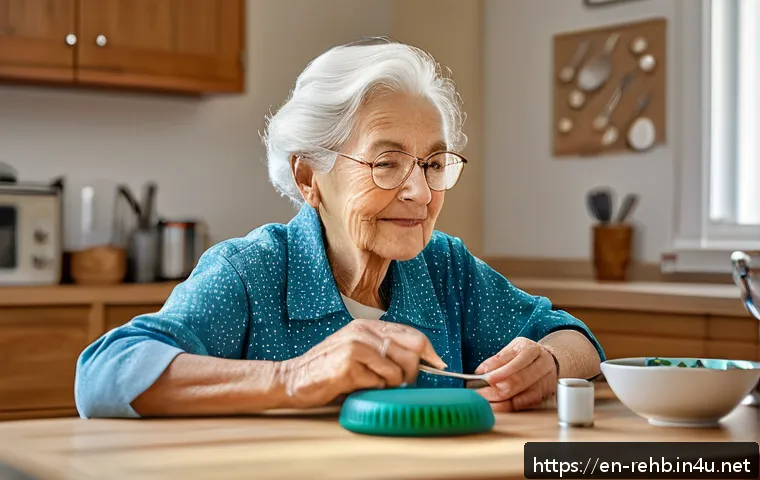
If you or a loved one is navigating this journey, knowing the typical timelines can offer a sense of control and hope. Let’s dive into what influences recovery speed and how tailored rehab plans make all the difference.
Stick around, because the path to regaining independence might be closer than you think.
Factors Shaping the Timeline of Stroke Recovery
Severity and Location of the Stroke
The extent and site of brain damage play a massive role in determining how long recovery takes. A mild stroke affecting a small area often leads to faster rehabilitation, while a severe stroke involving critical brain regions typically means a longer, more complex recovery process.
For example, if the stroke impacts the motor cortex, regaining movement may take months or even years, requiring persistent physical therapy. I’ve seen cases where patients with milder symptoms started walking independently within weeks, whereas others needed ongoing support for months.
The brain’s plasticity and ability to rewire itself vary, which adds to the unpredictability of timelines.
Age and Overall Health Condition
Age significantly influences how quickly someone recovers from a stroke. Younger individuals generally bounce back faster due to better overall health and greater neural adaptability.
On the other hand, older adults or those with preexisting conditions like diabetes, hypertension, or heart disease often face prolonged rehabilitation periods.
My experience working with stroke survivors highlights that maintaining a healthy lifestyle before and after the stroke can dramatically improve recovery speed.
It’s not just about the stroke itself but how resilient the body is in fighting back and rebuilding lost functions.
Early Intervention and Rehabilitation Quality
Starting rehab promptly after a stroke is crucial. The earlier the intervention, the better the chances for quicker improvement. Intensive rehabilitation programs that blend physical, occupational, and speech therapy tailored to the patient’s needs can speed up recovery.
I’ve noticed that patients who engage actively and consistently with their rehab teams tend to regain independence faster. Quality also matters — access to specialized stroke rehab centers and experienced therapists often leads to better outcomes than generic or delayed care.
How Different Types of Therapies Influence Recovery
Physical Therapy and Mobility Restoration
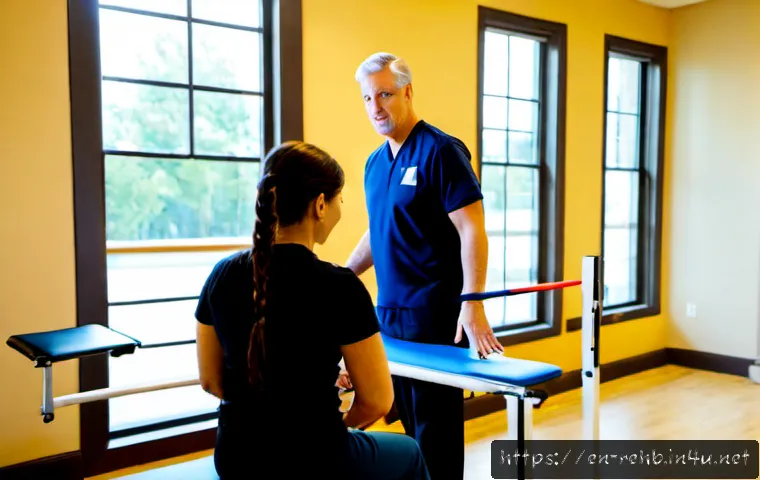
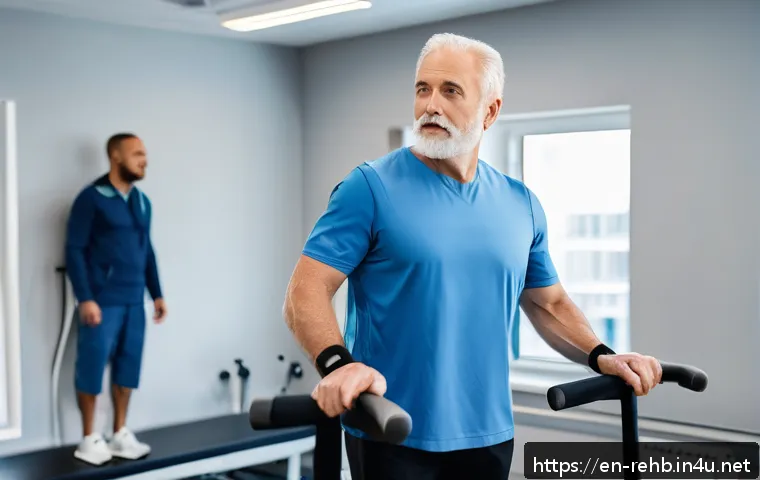
Physical therapy is often the cornerstone of stroke recovery, focusing on restoring strength, balance, and coordination. It usually starts with gentle exercises and gradually progresses to more challenging tasks as the patient improves.
For instance, I’ve seen patients move from assisted walking to climbing stairs within a few months of dedicated therapy. The intensity and duration of physical therapy sessions greatly impact how soon mobility is regained.
Consistency is key, and even small daily improvements can add up to significant progress over time.
Speech and Cognitive Rehabilitation
Speech therapy addresses language and communication difficulties, which are common after strokes affecting the left hemisphere of the brain. Cognitive rehab helps with memory, attention, and problem-solving skills.
These therapies often require patience, as changes can be subtle and slow. I remember a patient who struggled with word-finding initially but, through persistent speech therapy, was able to hold meaningful conversations within six months.
The brain’s ability to adapt is remarkable, but the process demands ongoing effort and support.
Occupational Therapy for Daily Living Skills
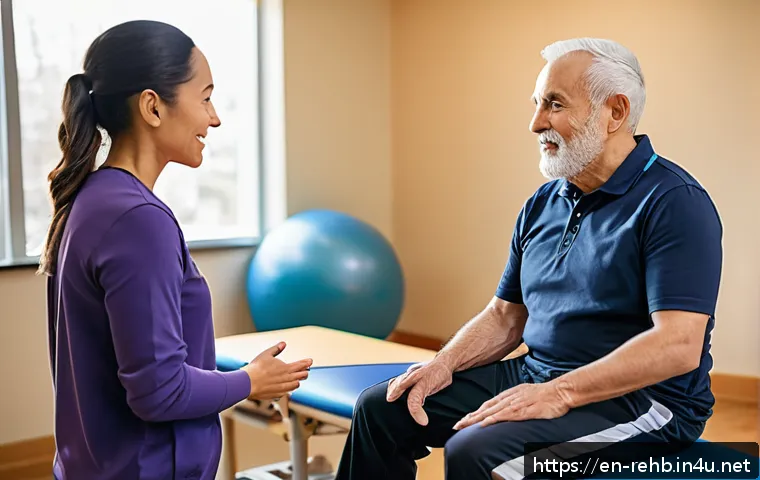
Occupational therapy focuses on helping stroke survivors regain the ability to perform everyday tasks such as dressing, cooking, or using a phone. This therapy is highly personalized because each person’s needs and lifestyle are different.
From my observations, incorporating familiar activities into therapy sessions helps boost motivation and practical skill recovery. The timeline here depends on the patient’s baseline function and how much assistance they require, but steady progress is almost always achievable with the right guidance.
Emotional and Psychological Aspects Affecting Recovery Speed
Motivation and Mental Resilience
Emotional well-being can either accelerate or hinder stroke recovery. A positive mindset and strong motivation often lead to more active participation in rehabilitation, which speeds up progress.
Conversely, depression or anxiety, common after strokes, can slow recovery by reducing engagement in therapy. I’ve encountered patients whose breakthrough moments came after psychological counseling helped them regain confidence and hope, highlighting the mind-body connection in healing.
Support Systems and Social Interaction
Having a supportive network of family, friends, and healthcare providers makes a substantial difference. Patients who feel encouraged and understood tend to push through challenges more effectively.
Social interaction also stimulates cognitive and emotional recovery. In my experience, stroke survivors with active social lives and engaged caregivers often recover faster and enjoy better quality of life, underscoring the importance of community in the rehab journey.
Addressing Post-Stroke Fatigue and Stress
Fatigue is a common, often underestimated hurdle in stroke recovery. Managing energy levels and stress is crucial to maintain consistent rehab efforts.
I’ve seen patients who learned to pace themselves and incorporate rest strategically make more sustainable progress than those who pushed too hard and burned out.
Therapists often recommend relaxation techniques and lifestyle adjustments to balance activity and rest, which ultimately supports a steadier recovery pace.
Typical Recovery Milestones and What They Mean
Early Weeks: Regaining Basic Functions
The first few weeks post-stroke often focus on regaining vital functions like swallowing, sitting up, and basic communication. This phase can feel slow and frustrating, but it’s foundational.
From what I’ve witnessed, patients who receive intensive care during this period tend to have better long-term outcomes. Family involvement here is critical, as simple encouragement can inspire patients to keep pushing forward despite setbacks.
Months 1-3: Increasing Independence
Between one to three months, many stroke survivors begin to reclaim more independence. They might start walking with assistance, improving hand coordination, or engaging in simple conversations.
This period is often the most active rehab phase, with multiple therapy sessions per week. I recall a patient who transitioned from wheelchair use to walking short distances with a cane during this time, demonstrating how focused effort can lead to rapid gains.
Beyond 3 Months: Long-Term Adjustments
After three months, progress can slow but still continues. Rehab focuses on refining skills and adapting to any permanent changes. Patients often work on fine motor skills, cognitive challenges, or emotional regulation.
It’s important to celebrate small victories here, as they accumulate into meaningful life improvements. Based on my experience, patients who maintain therapy beyond this stage tend to achieve better functional independence and quality of life.
Understanding the Variability in Recovery Durations
Why No Two Stroke Recoveries Are the Same
Stroke recovery is highly individualized, making timelines tricky to predict. Factors like the type of stroke (ischemic vs. hemorrhagic), initial damage, and personal health all interplay uniquely.
From working with many survivors, I’ve learned that even patients with similar strokes can have vastly different recoveries, emphasizing the need for personalized rehab plans rather than one-size-fits-all approaches.
The Role of Medical Complications

Complications such as infections, blood clots, or additional strokes can extend recovery time significantly. Monitoring and managing these risks is vital to avoid setbacks.
I’ve seen cases where a secondary infection delayed rehab by weeks, underscoring the importance of comprehensive medical care alongside therapy. This also highlights why ongoing follow-up and preventive care are essential parts of the recovery journey.
Adjusting Expectations Over Time
Patients and families often need to revise their expectations as recovery unfolds. Initial optimism might give way to frustration or vice versa, depending on progress.
I encourage open communication with rehab teams to stay realistic yet hopeful. Recovery is rarely linear; it involves ups and downs, plateaus, and breakthroughs.
Recognizing this helps maintain motivation and reduces unnecessary stress.
Average Timeframes for Key Stroke Rehabilitation Phases
Standard Duration Estimates
While every case is unique, it helps to have a rough idea of typical rehabilitation phases. The following table summarizes average timeframes and goals for each stage of stroke recovery, based on clinical observations and rehab protocols I’ve encountered.
| Rehabilitation Phase | Typical Duration | Primary Goals |
|---|---|---|
| Acute Phase | First 1-2 weeks | Stabilize condition, prevent complications, initiate early mobilization |
| Subacute Phase | 2 weeks to 3 months | Intensive therapy to regain mobility, speech, and basic daily functions |
| Chronic Phase | 3 months to 1 year or longer | Refine skills, adapt to residual deficits, promote independence |
| Long-Term Maintenance | Beyond 1 year | Ongoing exercise, prevention of secondary strokes, quality of life improvement |
Importance of Personalized Milestones
Keep in mind that these timeframes are flexible and should be tailored to each patient’s unique needs. The most effective rehab plans adjust milestones based on progress, setbacks, and evolving goals.
From my perspective, staying patient and celebrating incremental improvements keeps morale high and supports sustained engagement.
When to Seek Additional Evaluations
If recovery seems stalled or unexpected symptoms appear, it’s crucial to revisit the medical team. Sometimes adjustments in therapy, medication, or diagnostics are necessary to keep the recovery on track.
I’ve seen that proactive management of emerging issues can prevent prolonged disability and improve overall outcomes, making it an essential part of the rehab timeline.
Strategies to Maximize Rehabilitation Efficiency
Setting Realistic, Incremental Goals
Breaking down recovery into achievable steps helps maintain motivation and provides a clear sense of progress. I advise patients and families to focus on small wins, like improving grip strength or speaking a new word, rather than distant final outcomes.
This approach reduces overwhelm and encourages consistent effort.
Incorporating Technology and Home-Based Exercises
Advances like virtual reality, robotics, and tele-rehab are increasingly enhancing stroke recovery. These tools provide engaging ways to practice skills outside clinical settings.
From personal observation, patients who embrace tech-assisted rehab often show quicker gains and greater independence, especially when combined with traditional therapies.
Maintaining a Supportive Environment
Creating a positive, patient-centered atmosphere at home and in therapy sessions fosters faster recovery. Encouragement, patience, and understanding from caregivers make a huge difference.
I’ve noticed that emotional support can sometimes be the tipping point between stagnation and breakthrough in rehabilitation progress.
Long-Term Outlook and Quality of Life Post-Stroke
Adapting to New Normal
Many stroke survivors face lasting challenges but can still lead fulfilling lives by adapting their routines and environments. Assistive devices, lifestyle modifications, and community resources help bridge gaps in function.
Based on what I’ve seen, embracing these tools early on can prevent frustration and improve independence.
Importance of Ongoing Health Management
Preventing recurrent strokes and managing chronic conditions are critical for long-term success. Regular check-ups, medication adherence, and healthy living habits support sustained recovery.
I always emphasize to patients that stroke rehabilitation doesn’t end when therapy sessions stop; it’s an ongoing process.
Finding Meaning and Purpose Beyond Recovery
Engaging in hobbies, social activities, and meaningful work boosts emotional well-being and motivates continued growth. I’ve met survivors who transformed their experiences into advocacy or peer support roles, finding new purpose that enriches their lives and others’.
This perspective shift often marks a profound stage in stroke recovery beyond physical healing.
In Closing
Stroke recovery is a unique journey shaped by many factors, from the severity of the stroke to emotional resilience. While challenges are inevitable, steady progress is possible with the right support and mindset. Remember, every small step forward contributes to a meaningful improvement in quality of life. Stay patient and keep hope alive throughout the process.
Helpful Information to Know
1. Early rehabilitation significantly improves the chances of faster and more complete recovery.
2. Personalized therapy plans tailored to individual needs yield better outcomes than generic approaches.
3. Emotional and social support play critical roles in motivating patients and enhancing recovery speed.
4. Incorporating technology like virtual reality can make rehabilitation more engaging and effective.
5. Long-term health management is essential to prevent future strokes and maintain progress.
Key Takeaways
Understanding that stroke recovery timelines vary widely helps set realistic expectations. Prompt and high-quality rehabilitation, combined with emotional support and lifestyle adjustments, are crucial to maximizing recovery potential. Continuous communication with healthcare providers ensures timely adaptations to the rehab plan. Finally, embracing a patient-centered, flexible approach encourages sustained motivation and better overall outcomes.
Frequently Asked Questions (FAQ) 📖
Q: How long does stroke rehabilitation usually take?
A: Stroke rehabilitation timelines vary widely depending on the severity of the stroke and individual health factors. Typically, intensive rehab starts within days after the stroke and continues for weeks to months.
Many patients see significant improvements within the first 3 to 6 months, but some may require ongoing therapy for a year or more. From my experience working with stroke survivors, patience is key—progress often happens in small, steady steps rather than all at once.
Q: What factors influence the speed of stroke recovery?
A: Several factors affect recovery speed, including the stroke’s location and severity, the patient’s age, pre-stroke health, and how quickly rehab begins.
Early and consistent therapy, personalized to the individual’s needs, can dramatically improve outcomes. For example, I’ve seen patients who started rehab right away regain mobility much faster than those who delayed treatment.
Emotional support and a strong care team also play crucial roles in speeding up recovery.
Q: Can tailored rehabilitation plans really make a difference in recovery outcomes?
A: Absolutely. Customized rehab plans address specific challenges and goals, making therapy more effective and motivating. I’ve observed that when therapists adapt exercises to a person’s unique abilities and progress, patients stay more engaged and improve faster.
Tailored plans often combine physical, occupational, and speech therapy, along with mental health support—this holistic approach is essential for reclaiming independence after a stroke.