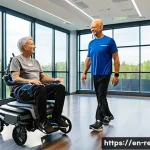
Living with osteoarthritis can be challenging, especially when joint pain limits your daily activities and overall quality of life. Finding the right rehabilitation center that offers personalized care and effective therapies is essential for managing symptoms and improving mobility.

With advancements in treatment options and a growing focus on holistic approaches, many centers now provide comprehensive programs tailored to individual needs.
Whether you’re newly diagnosed or seeking better management strategies, choosing a reputable rehab center can make all the difference. Let’s dive deeper into what you should look for and how to find the best fit for your recovery journey.
We’ll explore everything you need to know to make an informed decision!
Key Factors to Consider When Choosing a Rehabilitation Center
Personalized Treatment Plans
When it comes to managing osteoarthritis, no two patients are the same, and neither should their treatment plans be. A top-notch rehab center prioritizes creating individualized care programs that reflect your unique symptoms, lifestyle, and goals.
From my own experience, centers that take the time to thoroughly assess your condition and tailor therapies accordingly tend to deliver better outcomes.
This personalized approach often involves a mix of physical therapy, pain management techniques, and lifestyle counseling, all designed to enhance your mobility without causing additional discomfort.
If a center offers a one-size-fits-all program, it’s a red flag—your care should revolve entirely around what works best for you.
Range of Therapeutic Services
Another crucial aspect to look for is the variety of therapies available under one roof. The most effective rehabilitation centers provide access to multiple treatment modalities, such as hydrotherapy, manual therapy, occupational therapy, and even alternative options like acupuncture or yoga.
From what I’ve seen, having these diverse options helps patients discover the best combination that alleviates pain and improves function. For example, hydrotherapy can be a game-changer for those who struggle with weight-bearing exercises because the water supports your joints while you move.
A center that offers such comprehensive services demonstrates a commitment to holistic care.
Experienced and Compassionate Staff
The expertise and attitude of the rehabilitation team can make a huge difference in your recovery journey. I’ve encountered centers where the therapists were not only highly trained but also genuinely empathetic, which made all the difference during tough days.
Look for professionals who specialize in musculoskeletal disorders and have a proven track record in osteoarthritis management. Compassionate staff who listen attentively and encourage you throughout your progress create a positive environment, boosting motivation and adherence to treatment.
Don’t hesitate to ask about the credentials and experience of the team before committing to a center.
Innovative Technologies and Treatment Approaches
Use of Advanced Diagnostic Tools
Cutting-edge rehabilitation centers employ state-of-the-art diagnostic equipment to monitor joint health accurately. Tools like digital gait analysis, ultrasound imaging, and biomechanical assessments provide deeper insights into how osteoarthritis affects your movement.
Having access to such technology means your therapy can be adjusted in real-time, ensuring you’re not pushing too hard or missing critical pain triggers.
From what I’ve observed, centers that integrate these technologies into their assessments tend to design smarter, more effective rehabilitation programs.
Incorporating Evidence-Based Practices
An important marker of quality in rehab centers is their commitment to evidence-based medicine. This means they rely on the latest research and clinical guidelines when developing treatment protocols.
Centers that stay updated with scientific advancements and incorporate new, proven therapies often yield better patient satisfaction and symptom control.
For example, the inclusion of neuromuscular training or cognitive-behavioral therapy for pain management has shown promising results. I’ve personally noticed that facilities prioritizing research-backed methods provide a more reliable path to managing osteoarthritis.
Emphasis on Patient Education
Education is a powerful tool in managing chronic conditions like osteoarthritis. Rehabilitation centers that dedicate time to teaching you about joint protection techniques, proper exercise routines, and nutrition can empower you to take control of your health.
When I joined a program with a strong educational component, I felt more confident in my ability to manage flare-ups and maintain an active lifestyle.
This knowledge not only enhances treatment effectiveness but also reduces anxiety and dependence on medications.
Accessibility and Convenience of Location
Proximity to Home or Work
The location of your rehabilitation center plays a vital role in maintaining consistent attendance. From personal experience, traveling long distances for therapy sessions can become tiresome and discouraging, especially when joint pain already limits mobility.
Choosing a center close to your home or workplace reduces the hassle and helps you stay committed to your treatment schedule. Even if a center has an excellent reputation, it’s essential to balance quality with convenience to avoid missed appointments or burnout.
Flexible Scheduling Options
Life is busy, and fitting therapy sessions into your routine can be challenging. The best rehab centers understand this and offer flexible appointment times, including early mornings, evenings, and weekends.
I’ve found that being able to select sessions around my daily commitments made it much easier to adhere to the program. Centers that provide virtual consultations or hybrid models also add a layer of convenience, allowing you to access care even when you can’t physically make it to the facility.
Transportation Services and Accessibility Features
For individuals with limited mobility, access can be a significant barrier. Some rehabilitation centers offer transportation services or are located near public transit routes, which can be a huge relief.
Additionally, facilities designed with accessibility in mind—such as ramps, wide corridors, and adaptive equipment—ensure a safe and comfortable environment.
I once visited a center that went above and beyond in this regard, and it made the entire rehabilitation experience much more positive and stress-free.
Comprehensive Support Beyond Physical Therapy
Psychological and Emotional Support
Living with chronic pain often takes a toll on mental health, yet many rehabilitation centers overlook this aspect. Centers that include counseling services or support groups as part of their program recognize the importance of addressing emotional well-being alongside physical healing.
Personally, having access to a therapist who understood the frustrations of osteoarthritis helped me cope better and stay motivated. This holistic approach acknowledges that recovery is not just about joint function but overall quality of life.
Nutrition and Lifestyle Counseling

Diet and lifestyle habits significantly impact osteoarthritis symptoms. Rehabilitation centers offering nutrition counseling or weight management programs provide an added advantage.
I found that learning how certain foods influence inflammation helped me make better choices that reduced flare-ups. Lifestyle coaching, including advice on sleep hygiene and stress management, further supports your recovery.
Centers that integrate these elements into their care demonstrate a deeper commitment to long-term health.
Community Engagement and Activities
Being part of a community facing similar challenges can be incredibly uplifting. Some rehab centers organize group exercise classes, workshops, or social events that foster connection and shared learning.
Joining such activities helped me feel less isolated and more encouraged to stick with my treatment. Look for centers that offer these opportunities as they enrich your rehabilitation experience and provide motivation beyond the clinical setting.
Cost Considerations and Insurance Compatibility
Transparent Pricing and Payment Options
Understanding the financial aspect of rehabilitation is crucial before committing to any center. The best facilities provide clear, upfront information about their fees, including any additional costs for specialized services.
From what I’ve encountered, hidden charges or vague pricing can lead to stress and disruptions in care. Centers offering flexible payment plans or sliding scale fees make therapy more accessible and reduce the burden on patients managing chronic illness.
Insurance Coverage and Assistance
Navigating insurance can be confusing, but choosing a center that accepts your health plan or offers guidance in dealing with claims can save you time and money.
I’ve had experiences where centers had dedicated staff to help patients maximize their benefits, which eased the administrative load significantly. Before enrolling, verify that your insurance covers the treatments you need and ask if the center assists with paperwork or pre-authorization processes.
Value for Money: Balancing Quality and Cost
While affordability is important, don’t sacrifice quality care for a lower price. In my opinion, investing in a reputable center with proven results pays off in the long run through improved function and reduced pain.
It’s worth comparing what different centers offer in terms of services, staff expertise, and outcomes relative to their costs. Sometimes paying a bit more upfront can prevent costly complications or additional treatments down the line.
Patient Reviews and Success Stories
Real Experiences from Former Patients
One of the best ways to gauge a rehabilitation center’s effectiveness is by hearing from those who have been through it. Patient testimonials often reveal insights beyond what brochures or websites can provide.
I always look for detailed reviews that discuss staff interaction, program flexibility, and actual improvements. Positive stories about regained mobility or pain reduction can be very encouraging when deciding on a center.
Community Reputation and Professional Accreditations
Centers that hold accreditations from recognized health organizations tend to maintain higher standards of care. Checking for certifications, awards, or endorsements can give you confidence in their professionalism.
Additionally, a good reputation within the local healthcare community usually means better collaboration with your primary care providers or specialists, which enhances continuity of care.
Tracking Progress and Outcome Measurements
Top rehabilitation centers don’t just promise results—they measure them. Ask if the center uses specific tools to track your progress over time, such as mobility assessments, pain scales, or quality-of-life questionnaires.
This data-driven approach helps tailor ongoing treatment and provides tangible evidence of improvement. From personal experience, knowing that my progress was being monitored kept me motivated and reassured that the therapy was working.
Comparison of Common Rehabilitation Services for Osteoarthritis
| Service | Description | Benefits | Considerations |
|---|---|---|---|
| Physical Therapy | Customized exercises to strengthen muscles and improve joint function. | Enhances mobility, reduces pain, and prevents further joint damage. | Requires consistent attendance and effort; may cause temporary soreness. |
| Hydrotherapy | Exercise performed in warm water to reduce joint stress. | Supports movement, decreases pain, and improves flexibility. | Access to pool facilities is necessary; may not be suitable for all conditions. |
| Occupational Therapy | Focuses on improving daily living skills and joint protection techniques. | Increases independence and reduces strain on affected joints. | May require lifestyle adjustments; sometimes overlooked in standard rehab. |
| Manual Therapy | Hands-on techniques to relieve pain and improve joint mobility. | Can reduce stiffness and enhance range of motion. | Effectiveness varies; should be performed by skilled therapists. |
| Nutrition Counseling | Guidance on diet to reduce inflammation and manage weight. | Supports overall joint health and reduces symptom severity. | Results depend on adherence; not a standalone treatment. |
Conclusion
Choosing the right rehabilitation center is a crucial step toward effectively managing osteoarthritis and improving your quality of life. A center that offers personalized care, advanced treatments, and compassionate support can make all the difference in your recovery journey. Remember, your commitment combined with the right resources paves the way to better mobility and reduced pain. Take the time to research and find a center that truly aligns with your needs and lifestyle.
Useful Information to Keep in Mind
1. Personalized treatment plans tailored specifically to your symptoms and goals lead to more effective results and greater satisfaction.
2. Access to a variety of therapeutic options, including alternative therapies, enhances your chances of finding relief and improving function.
3. Experienced, empathetic staff who specialize in osteoarthritis care can boost motivation and make your rehab experience more positive.
4. Convenient location and flexible scheduling are essential to maintain consistent attendance and avoid treatment interruptions.
5. Transparent pricing and insurance compatibility help reduce financial stress and ensure you can focus fully on your recovery.
Key Takeaways
When selecting a rehabilitation center, prioritize those that provide individualized care supported by advanced technology and evidence-based practices. Look for facilities with compassionate, specialized staff and comprehensive services that address both physical and emotional needs. Convenience factors such as location and scheduling flexibility significantly impact your ability to stay committed. Finally, ensure clear communication about costs and insurance coverage to avoid surprises and keep your treatment on track. These considerations will help you find the best partner in managing osteoarthritis effectively.
Frequently Asked Questions (FAQ) 📖
Q: What should I look for when choosing a rehabilitation center for osteoarthritis?
A: When selecting a rehab center for osteoarthritis, it’s crucial to find one that offers personalized care plans tailored to your specific symptoms and lifestyle.
Look for centers with a multidisciplinary team—including physical therapists, occupational therapists, and pain management specialists—who can work together to address your needs.
Facilities that provide a mix of evidence-based treatments like exercise therapy, manual therapy, and patient education tend to have better outcomes. Also, consider the center’s reputation, patient reviews, and whether they use up-to-date technology or holistic approaches to support long-term mobility and pain relief.
Q: How can rehabilitation centers help improve mobility and reduce joint pain in osteoarthritis patients?
A: Rehabilitation centers focus on improving joint function through targeted exercises that strengthen muscles around affected joints, which helps reduce strain and pain.
Therapists often incorporate range-of-motion activities, balance training, and low-impact aerobic exercises to enhance flexibility and endurance. Many centers also offer pain management techniques such as heat/cold therapy, ultrasound, or electrical stimulation.
The combination of physical therapy and education empowers patients to manage symptoms better at home, ultimately boosting independence and quality of life.
Q: Is it necessary to have ongoing rehabilitation after initial treatment for osteoarthritis?
A: Yes, ongoing rehabilitation is often essential for managing osteoarthritis effectively over time. Osteoarthritis is a chronic condition, so symptoms can fluctuate, and joint function may decline without consistent care.
Regular follow-up sessions help adjust treatment plans as your condition changes, prevent stiffness, and maintain muscle strength. Plus, rehab centers can guide you in lifestyle modifications, such as weight management and activity adjustments, which play a big role in slowing disease progression.
From my experience, sticking to a long-term rehab strategy can make a noticeable difference in day-to-day comfort and mobility.